L’étroite fenêtre de nos clavicules
OPENING: Thursday November 6, 5:30 pm
ABOUT THE EXHIBITION
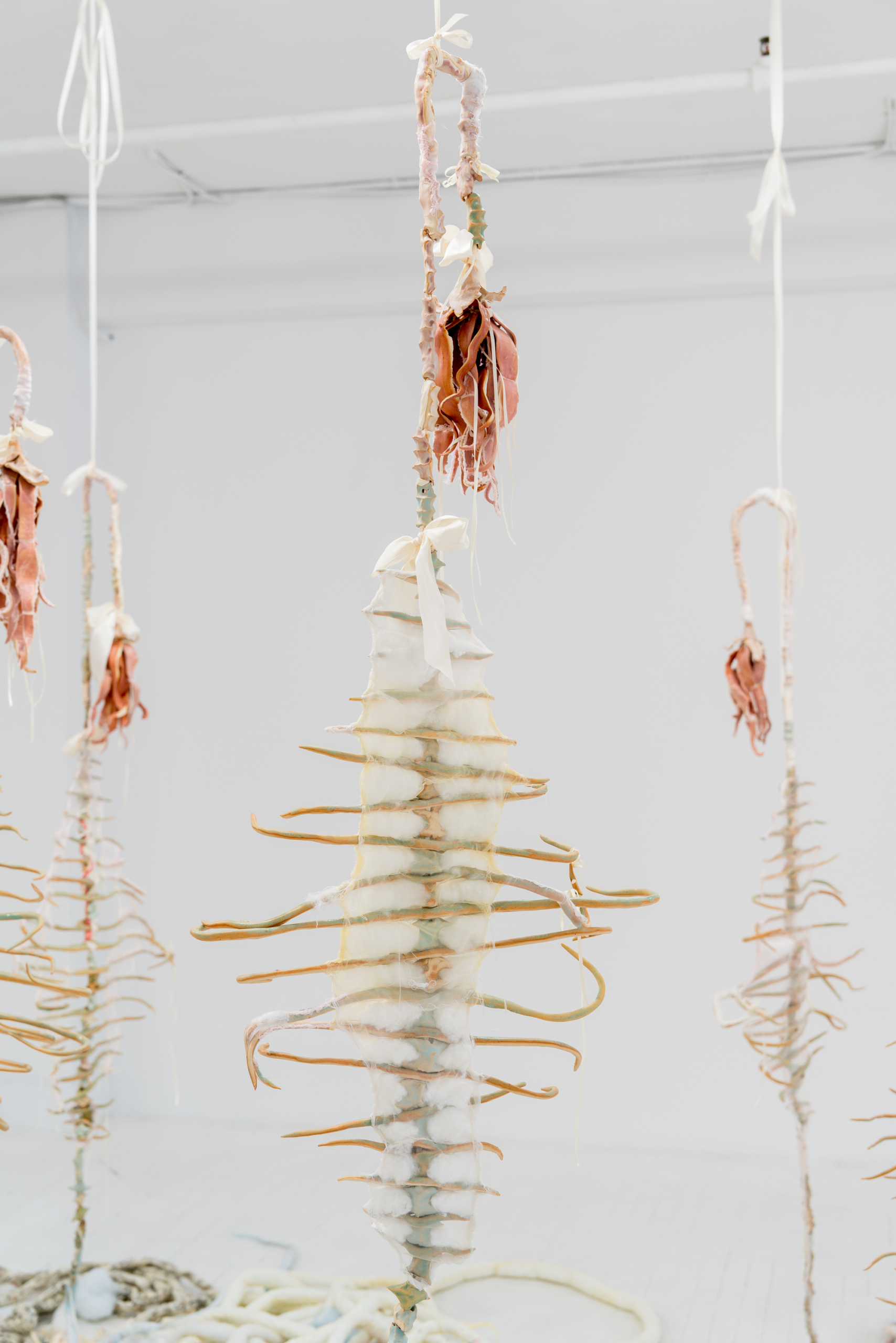
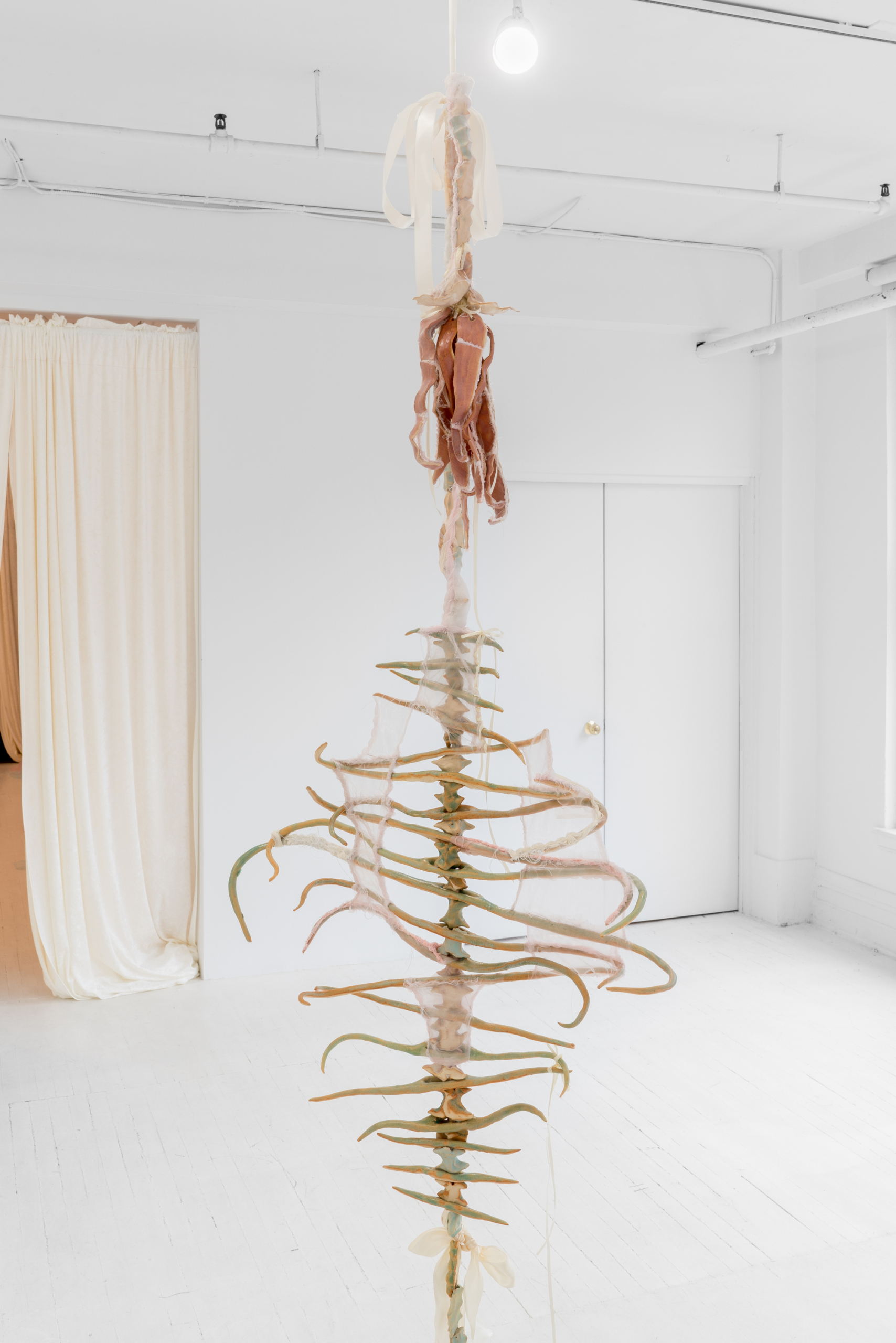
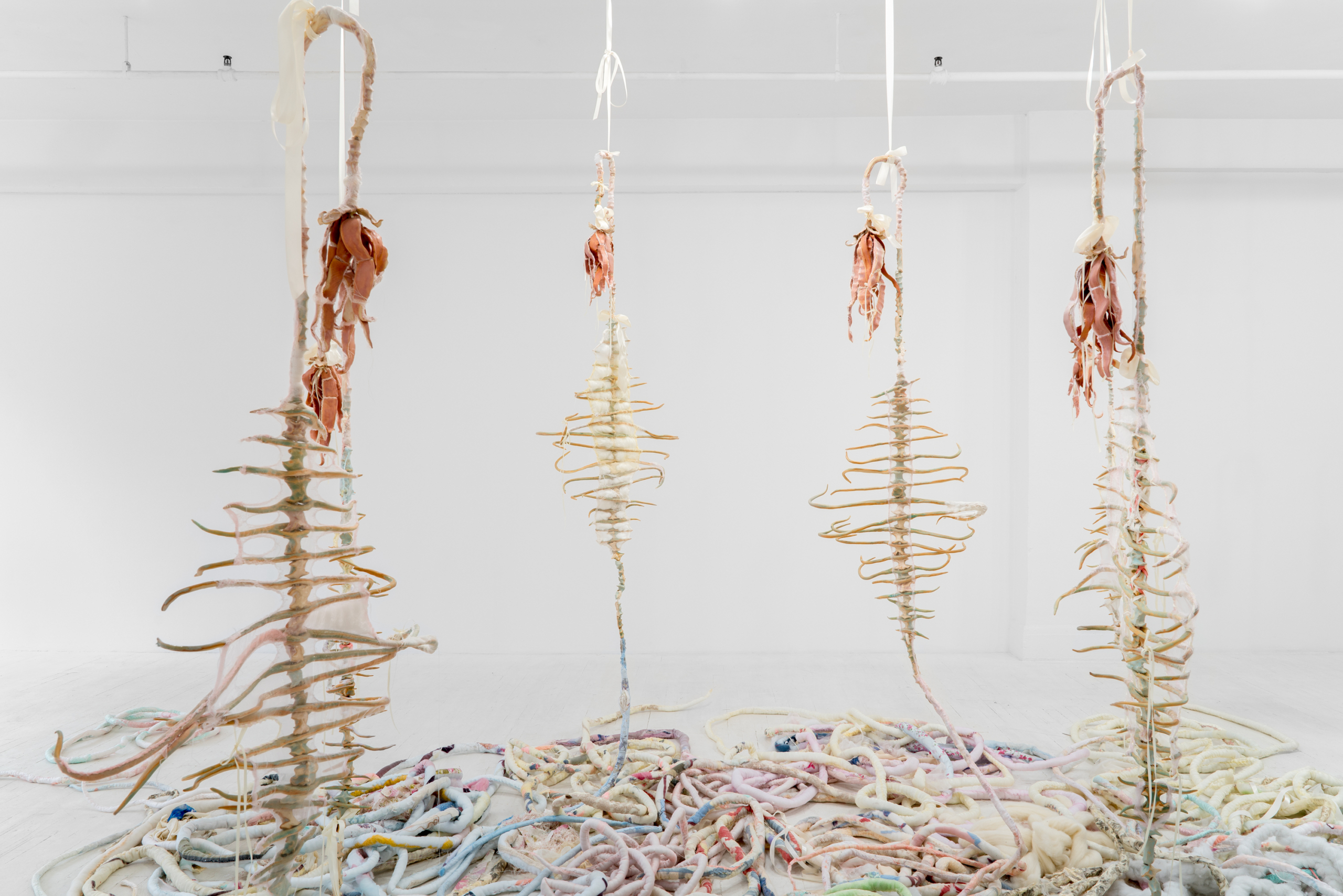
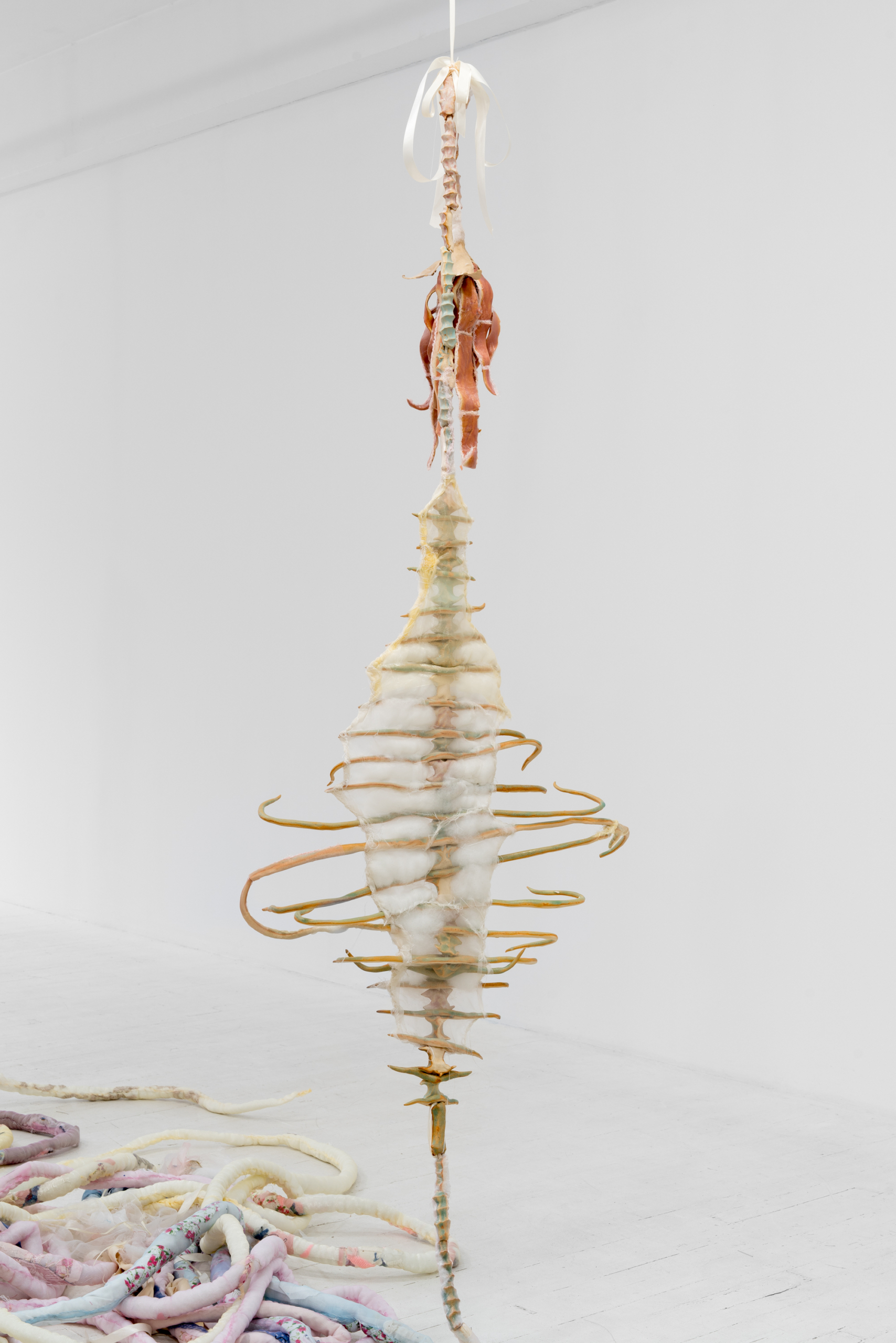
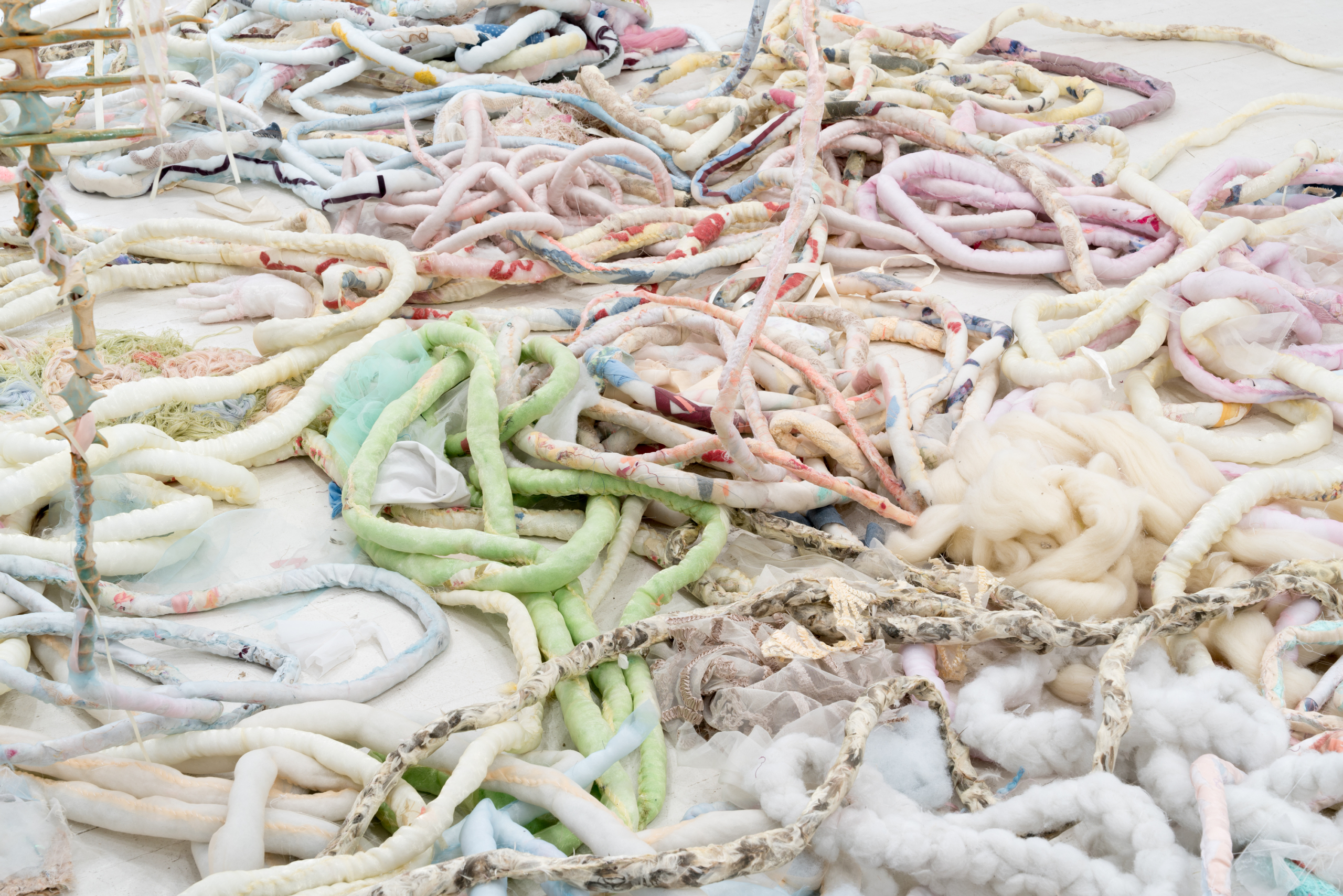
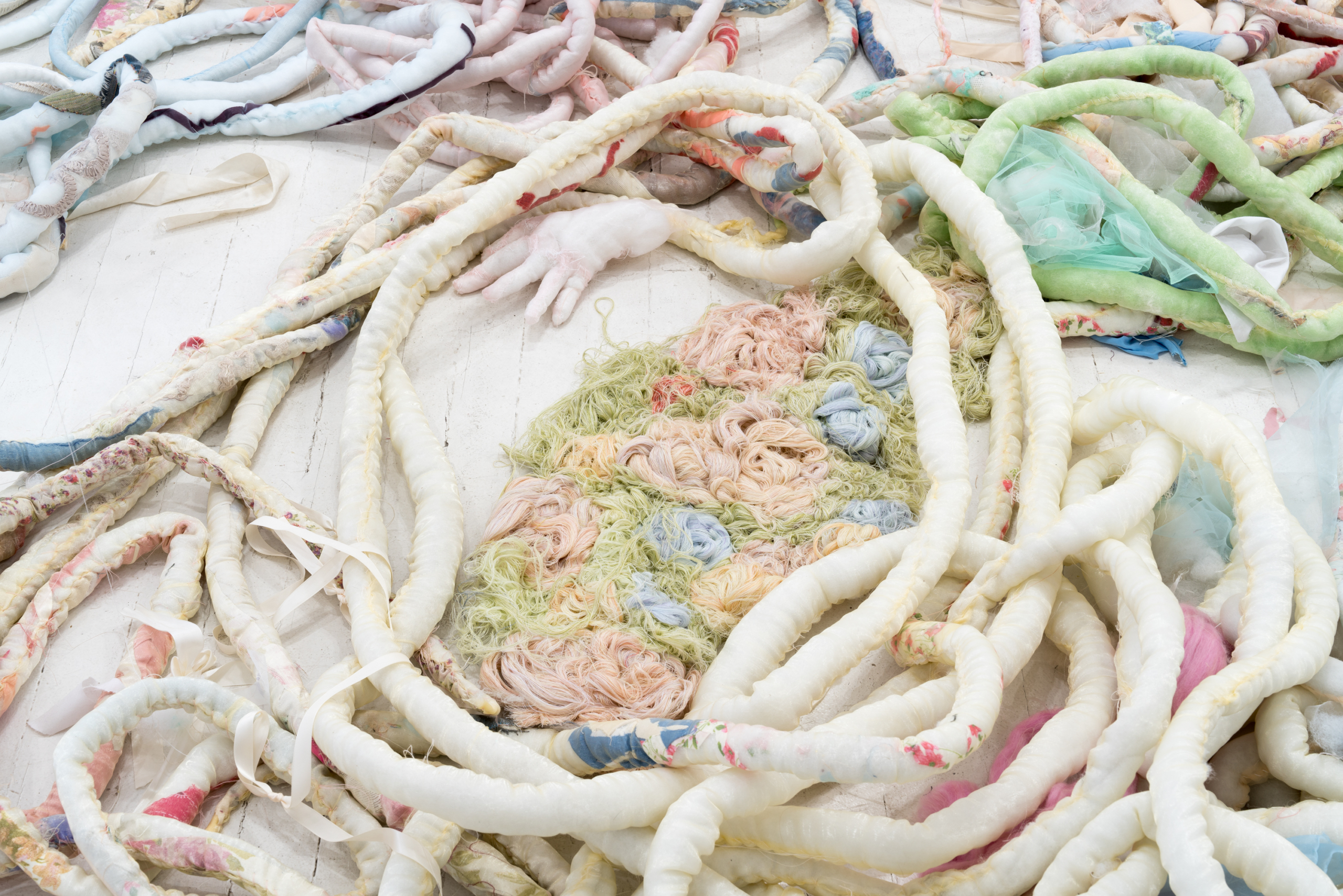
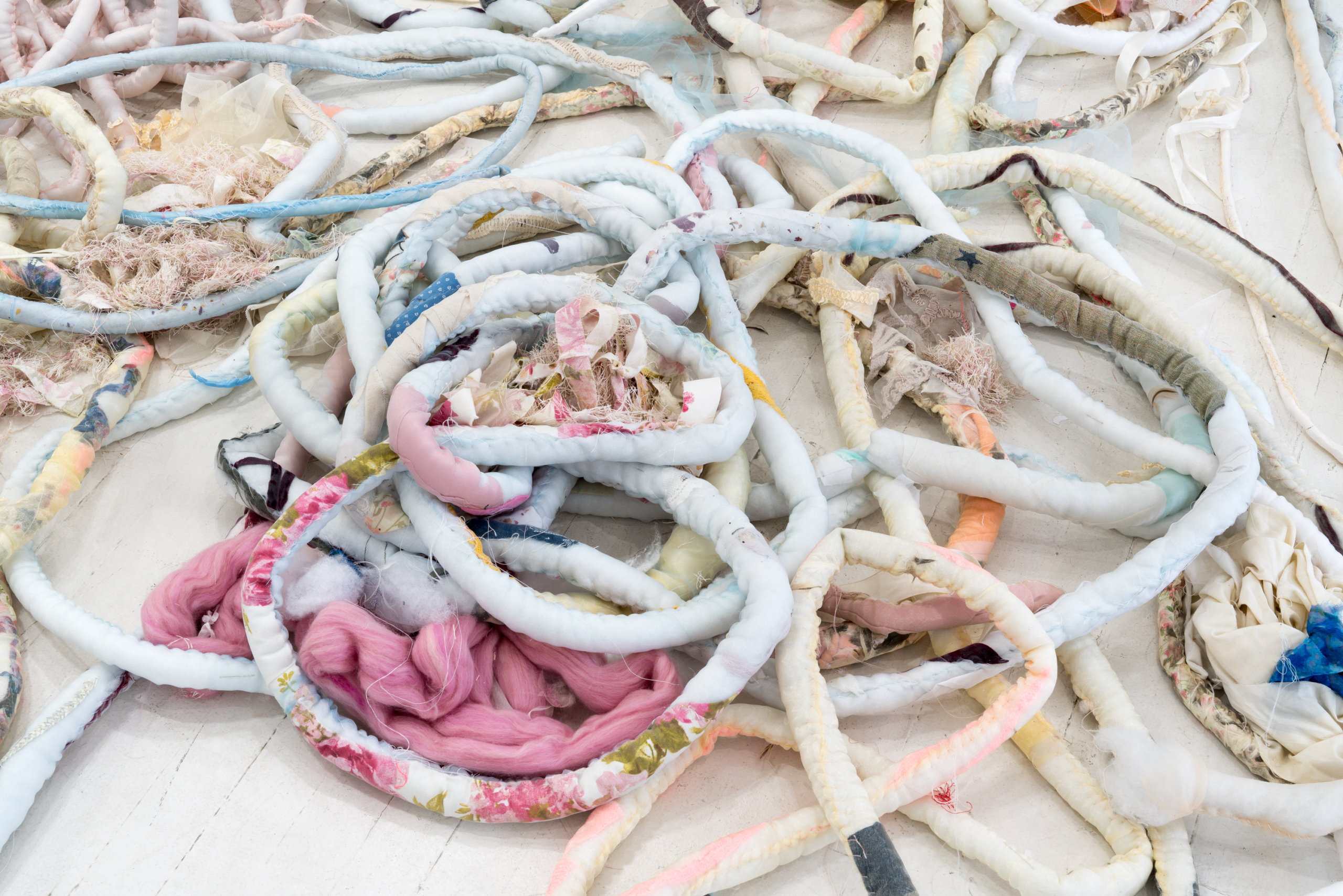
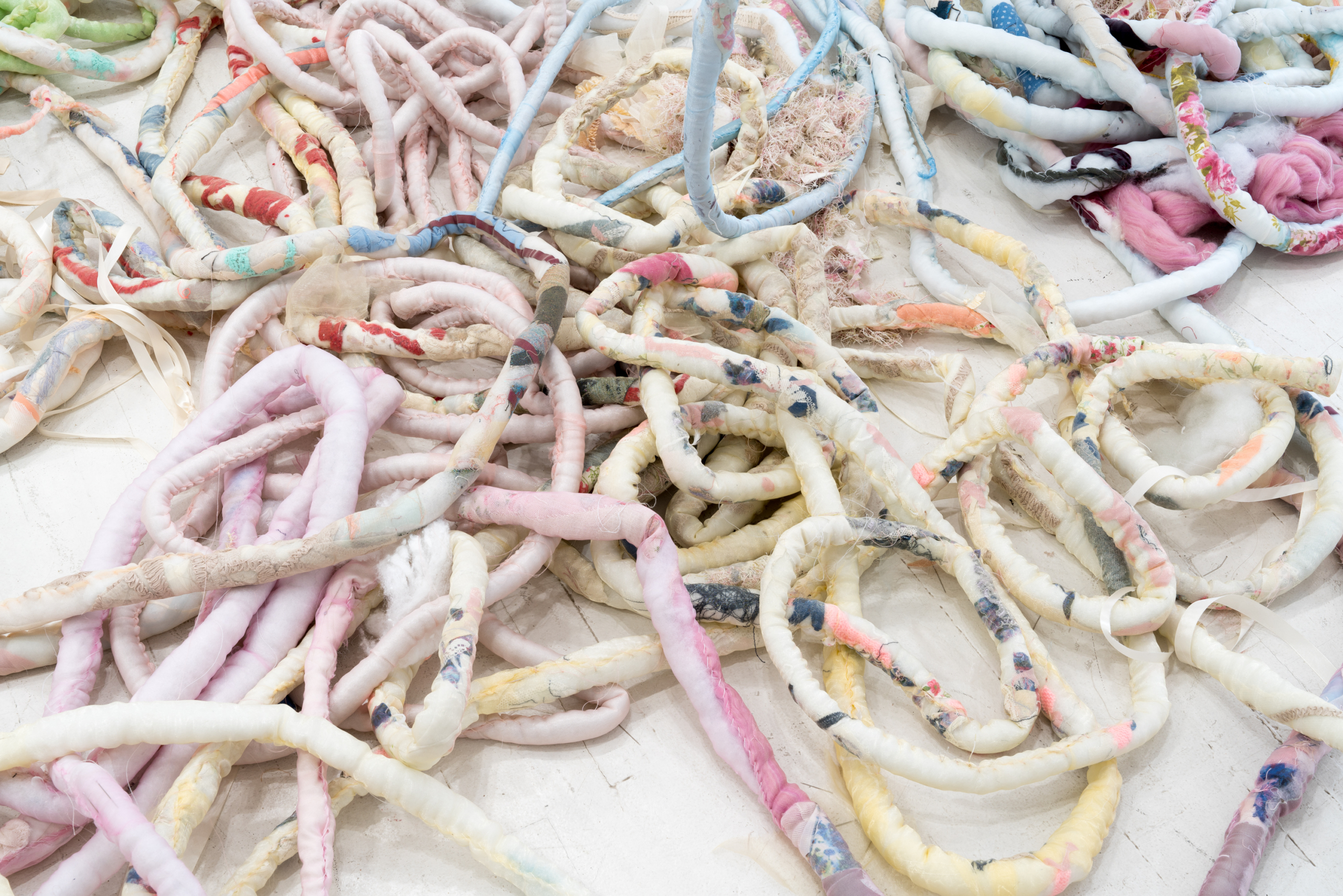
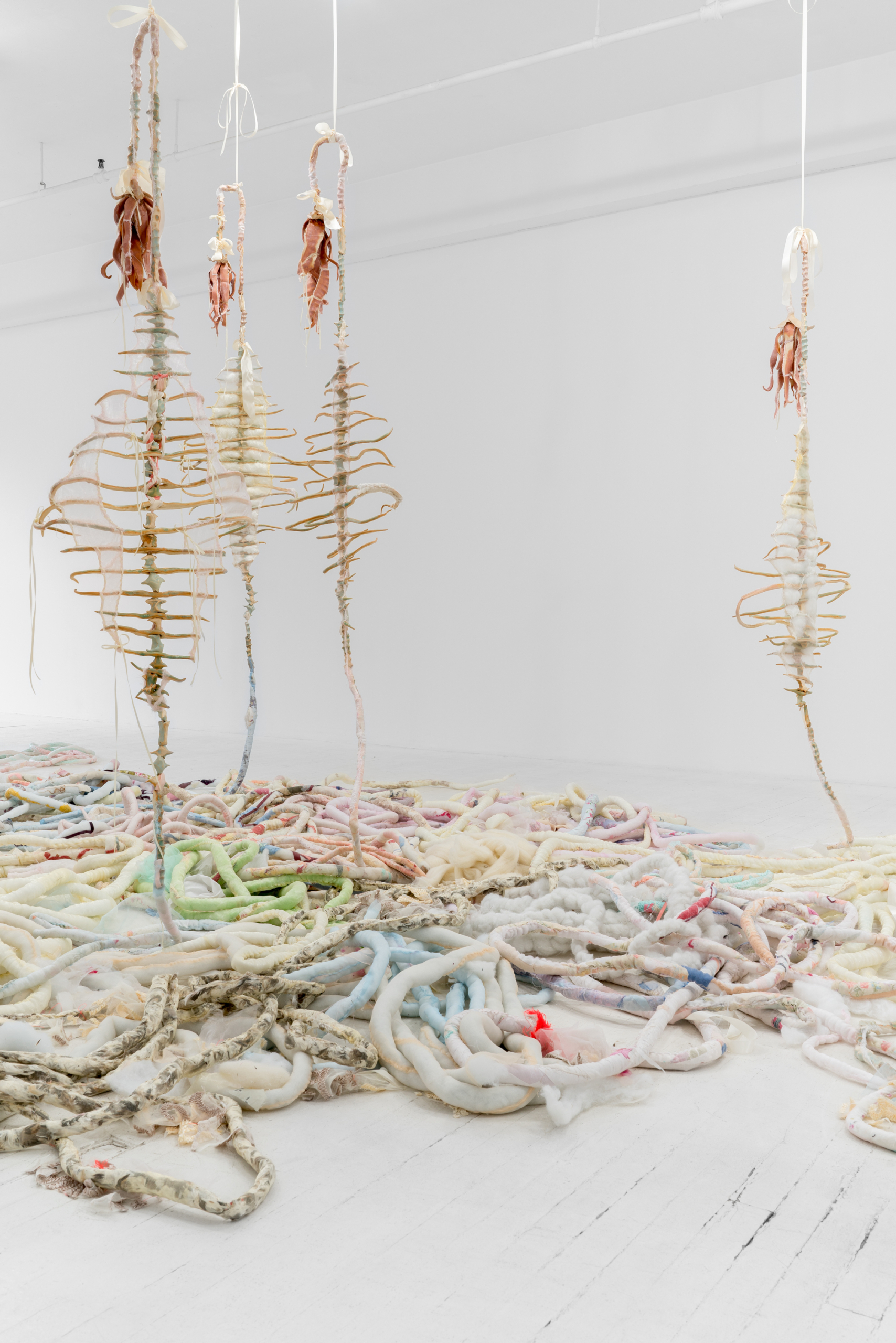
In L’étroite fenêtre de nos clavicules, Élisabeth Perrault takes up the mythical and organic figure of the Rat king, a rare phenomenon in which several rats find themselves tied together by their tails, entangled in an inextricable knot. A symbol of a forced, constraining bond, yet one born of life itself, this image becomes for Perrault a metaphor for the human condition, where social ties are sometimes woven with the same complexity.
Deeply social creatures, rats live in groups, organized by cooperation, communication, and mutual aid. Through these behaviors, they replicate our own social mechanisms, our desire to belong and our interactions, but also our tensions and contradictions. The Rat king, with its inseparable bodies, becomes the symbol of attachment taken to the extreme, revealing the paradoxes of humanity’s quest for balance between the need for connection and the need for autonomy.
This sociability, full of effervescence and sharing, nevertheless contains an important paradox: attachment can also be exhausting. This fundamental bond is also a constant attempt to fill an inner void, a space of isolation or loneliness that everyone carries within themselves. In this pursuit, the aestheticisation of the self that underlies entry into the social game becomes a strategy to fill this void and appease this need to exist in the eyes of the group. However, this need can become a burden, a constraint, even psychological confinement; while providing support, it can also deepen isolation within the collective.
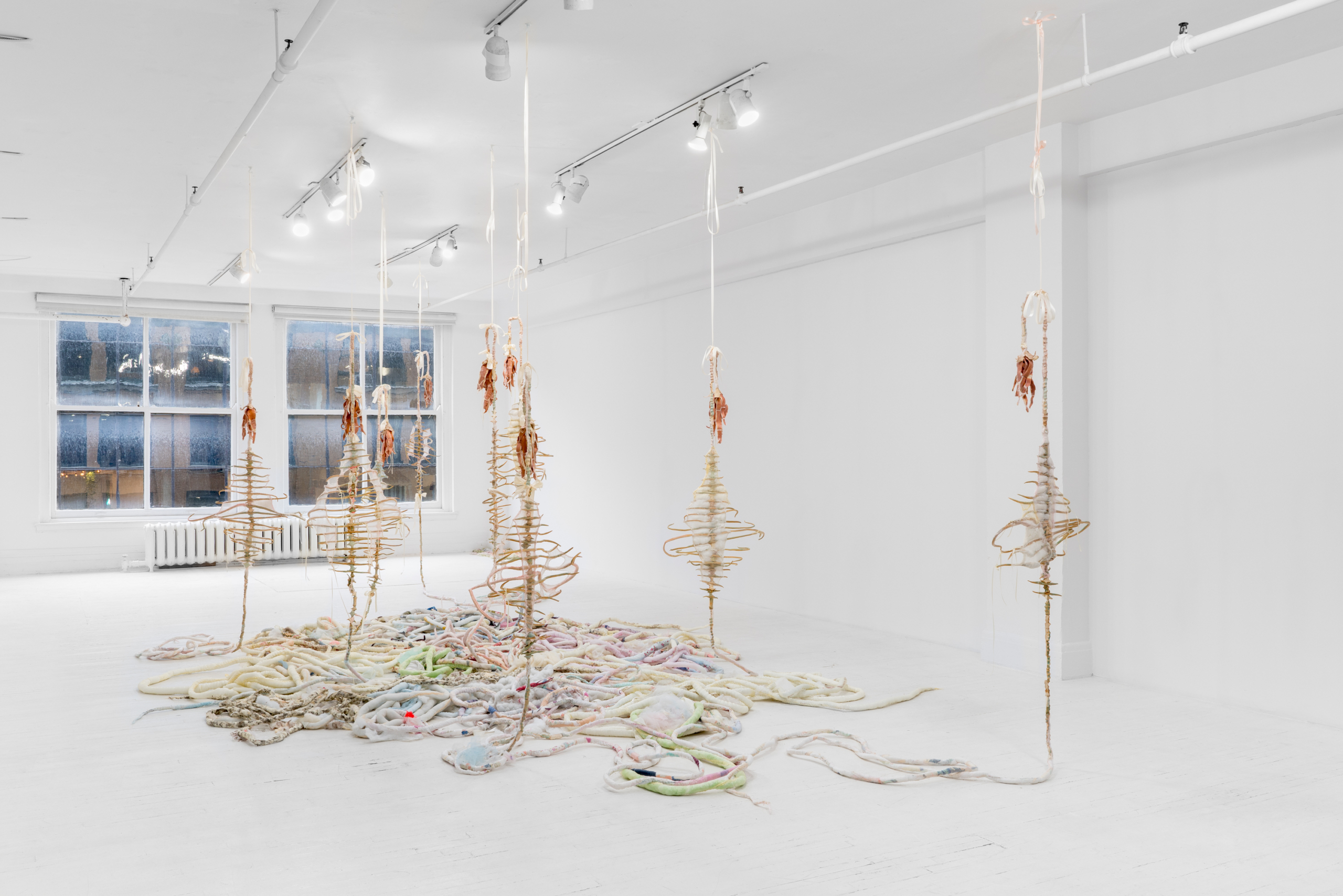
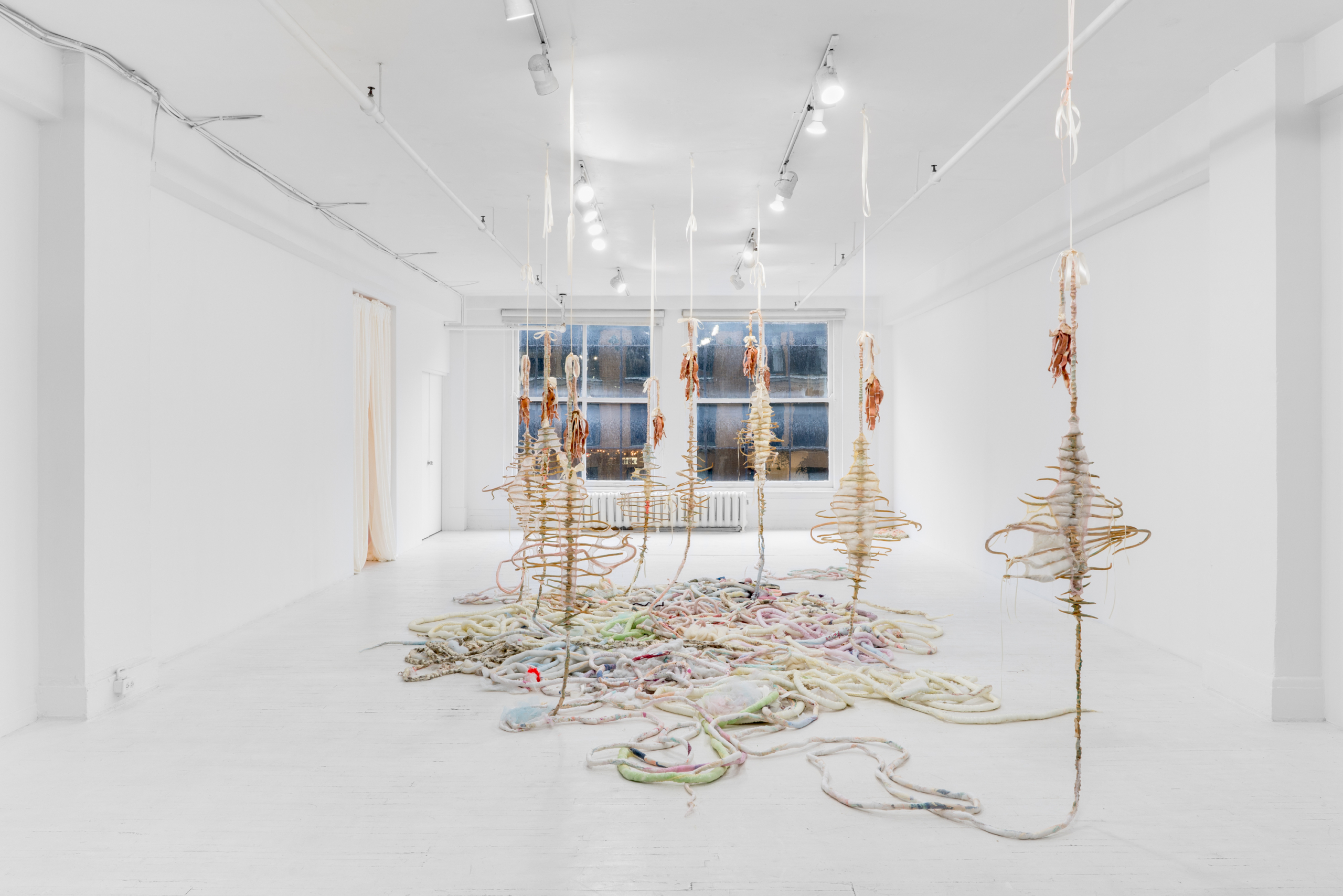
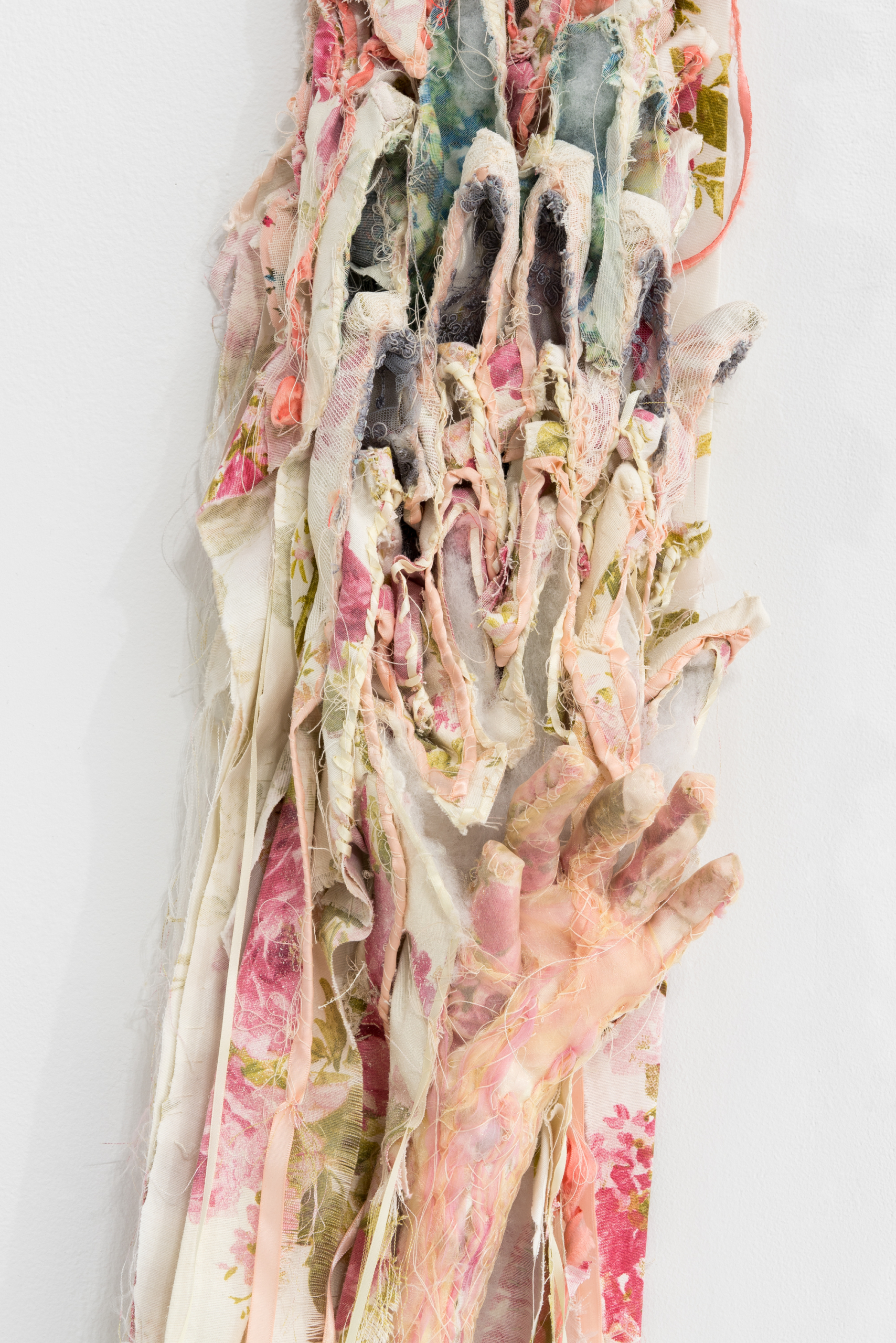
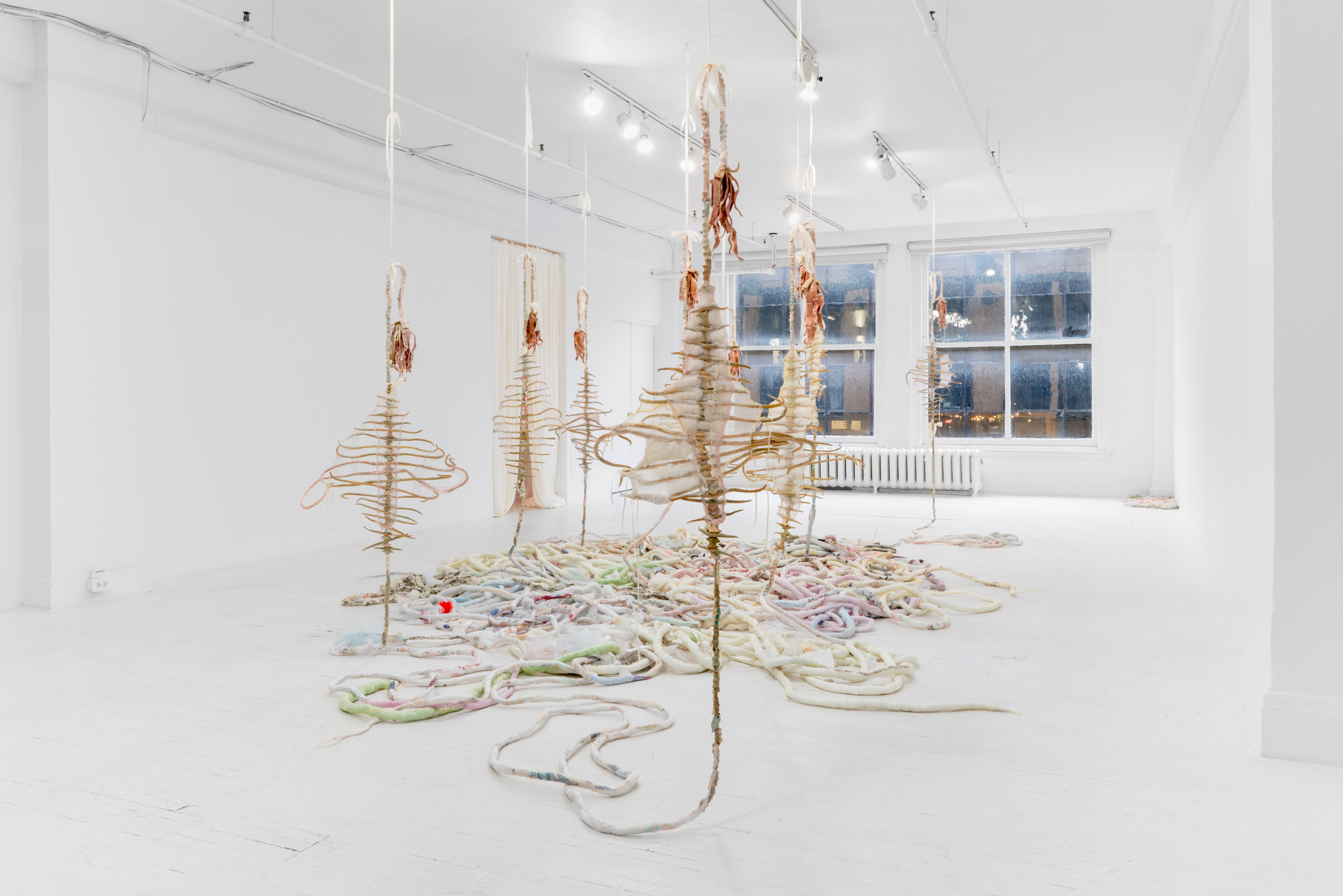
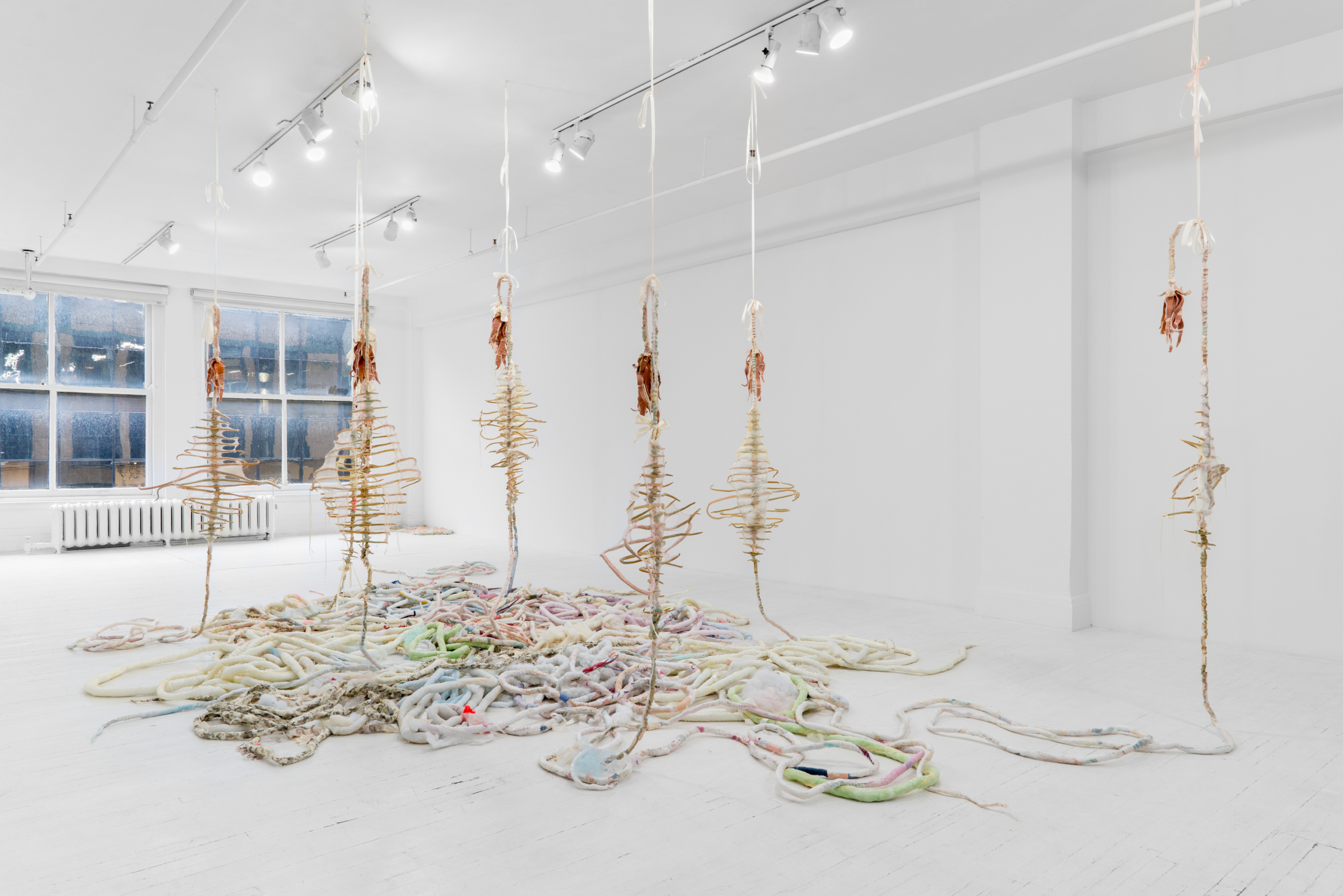
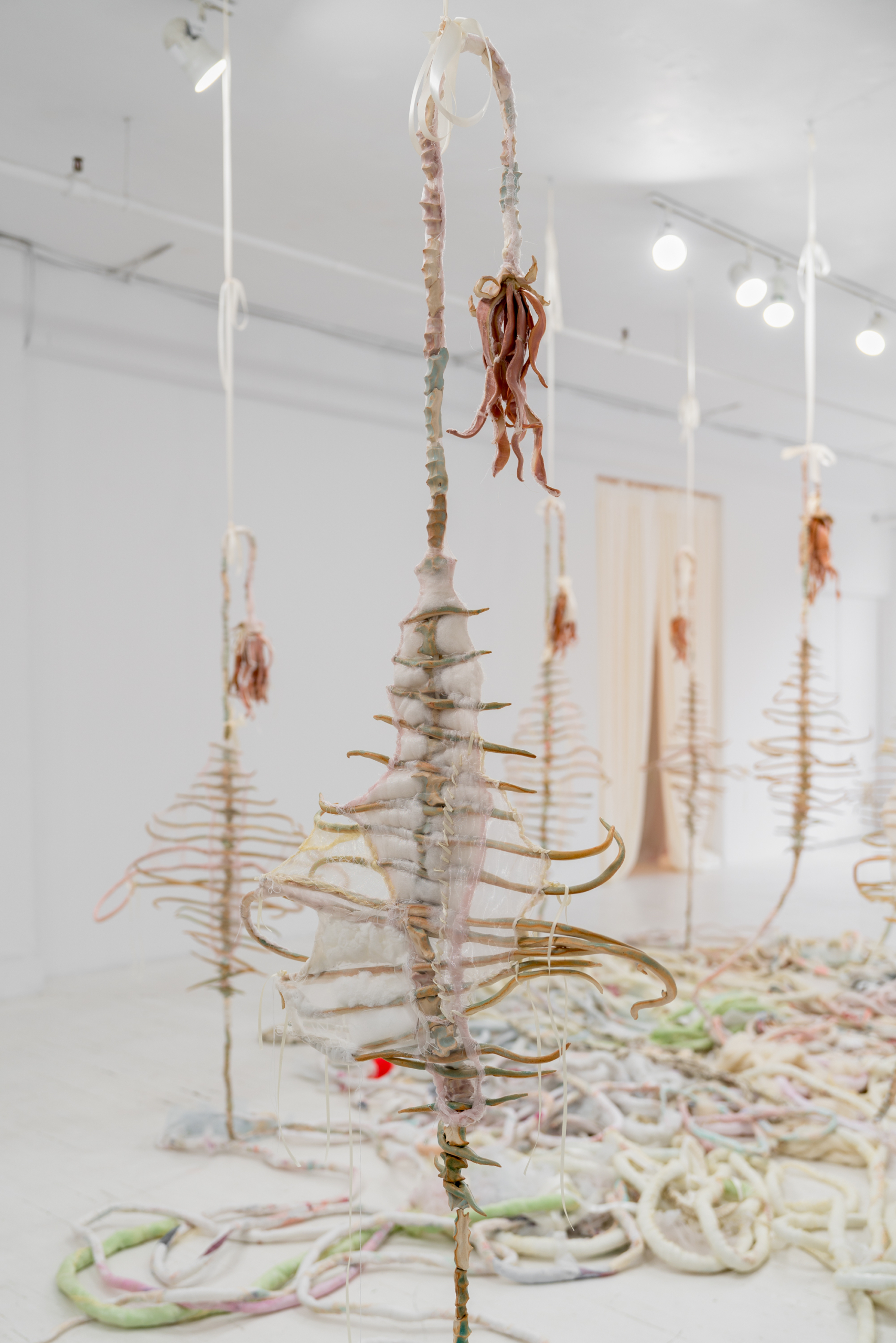
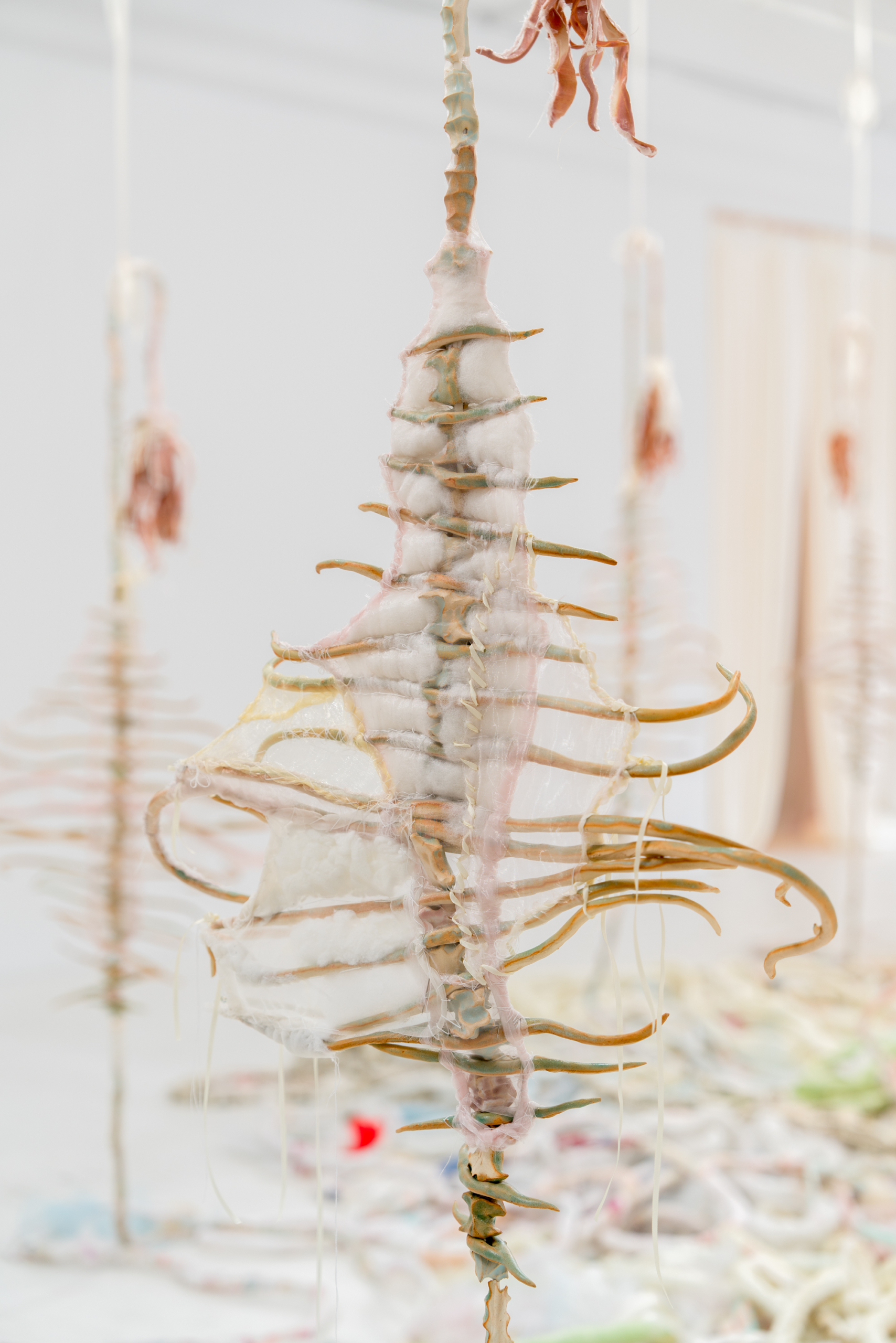
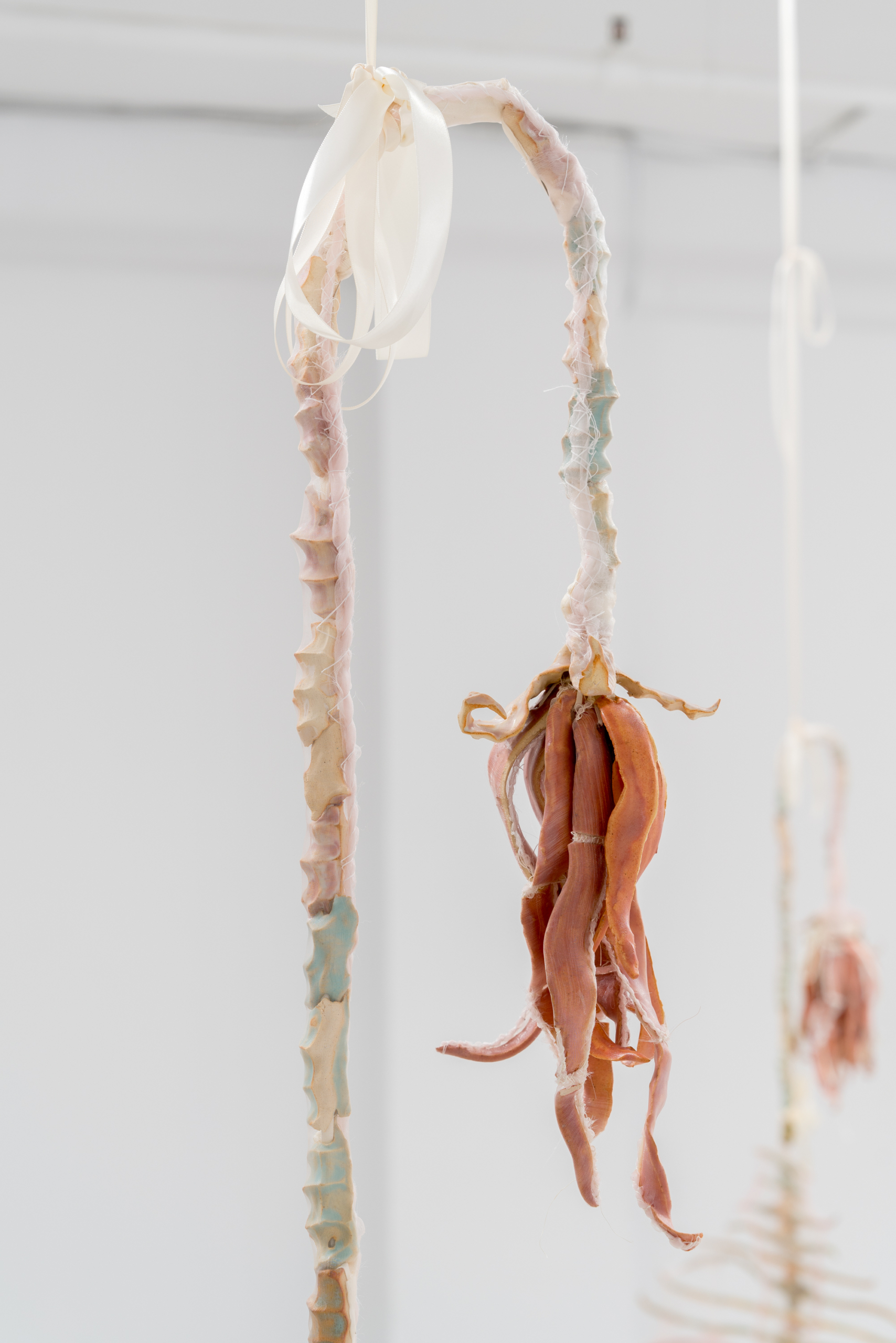
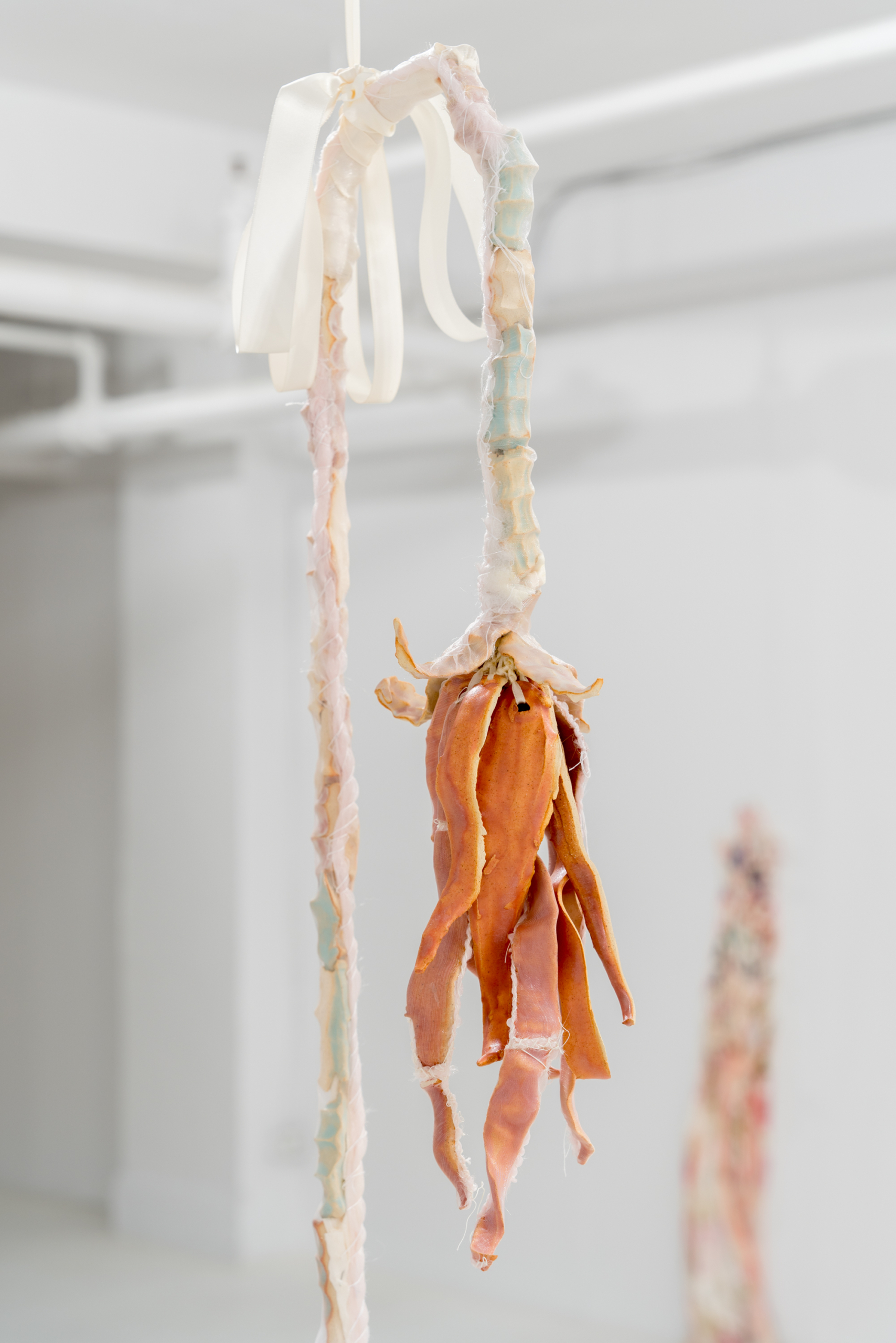
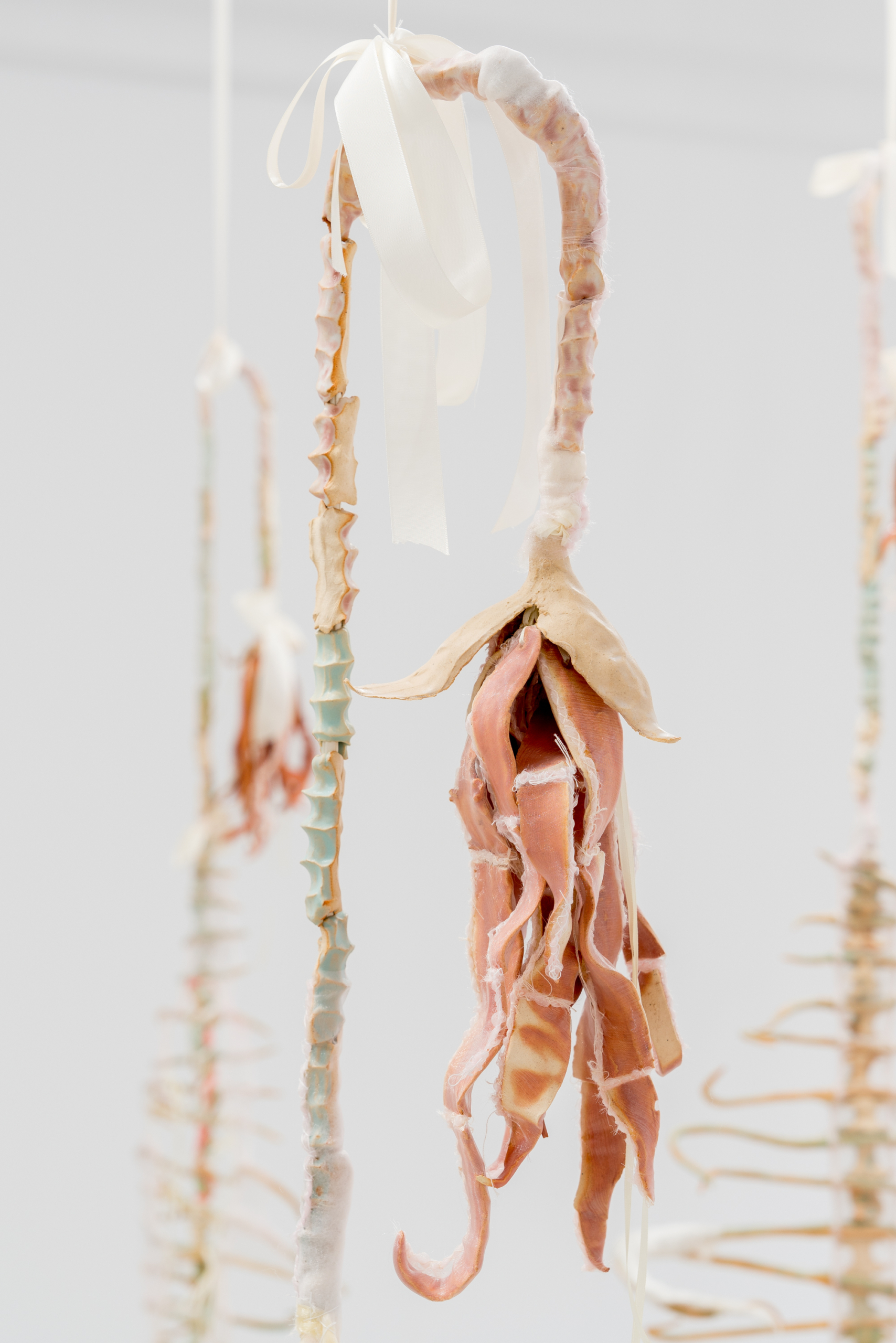
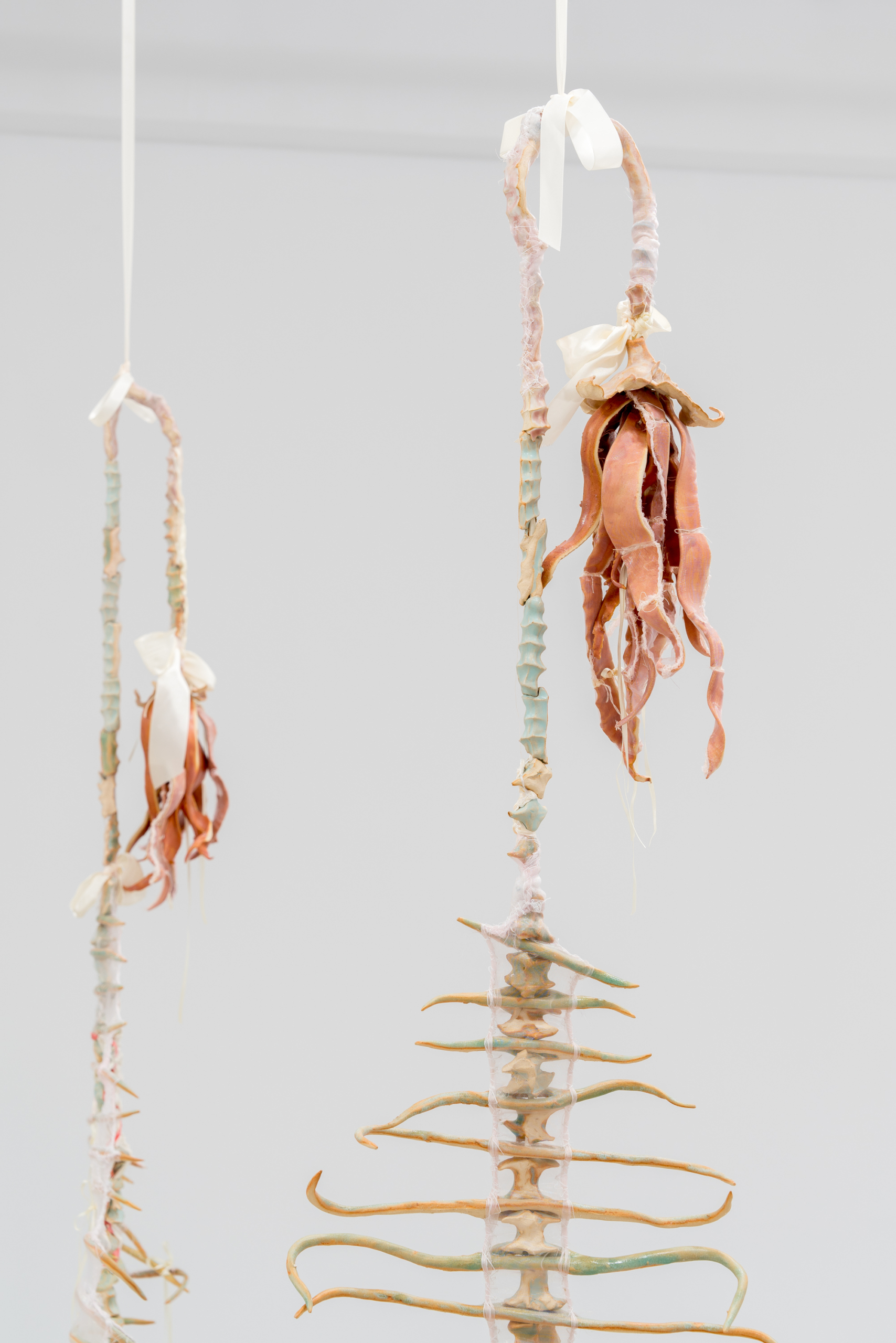
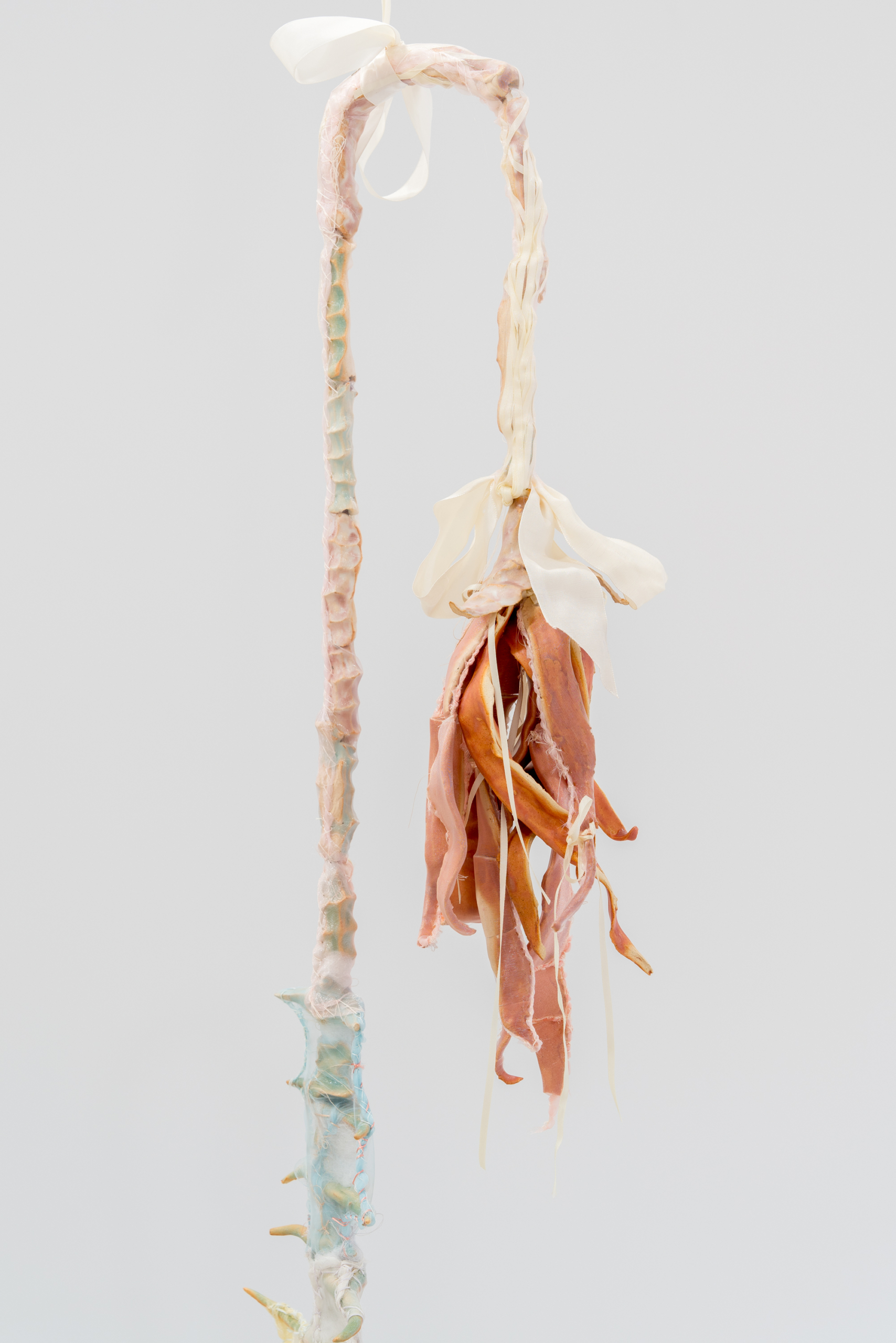
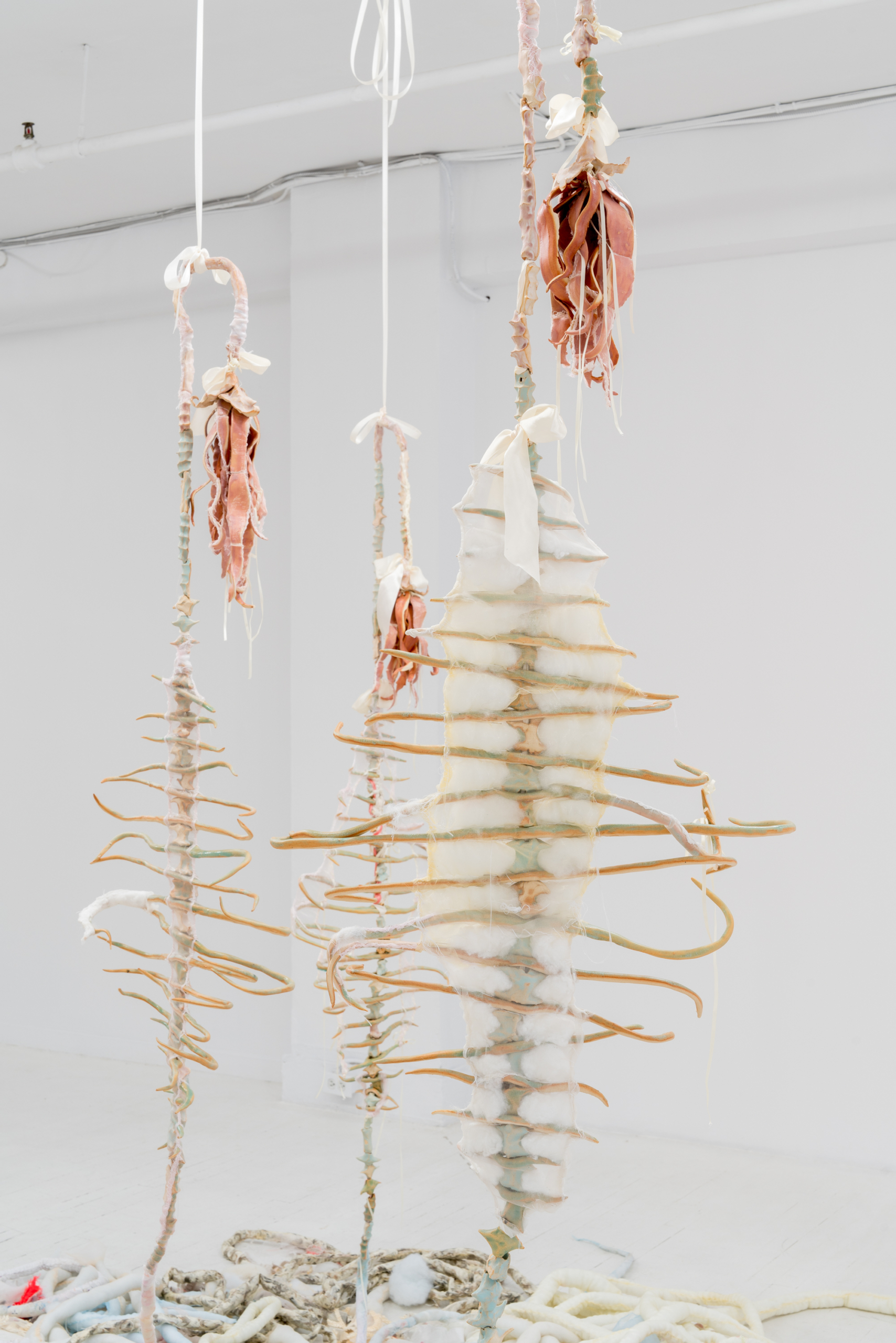
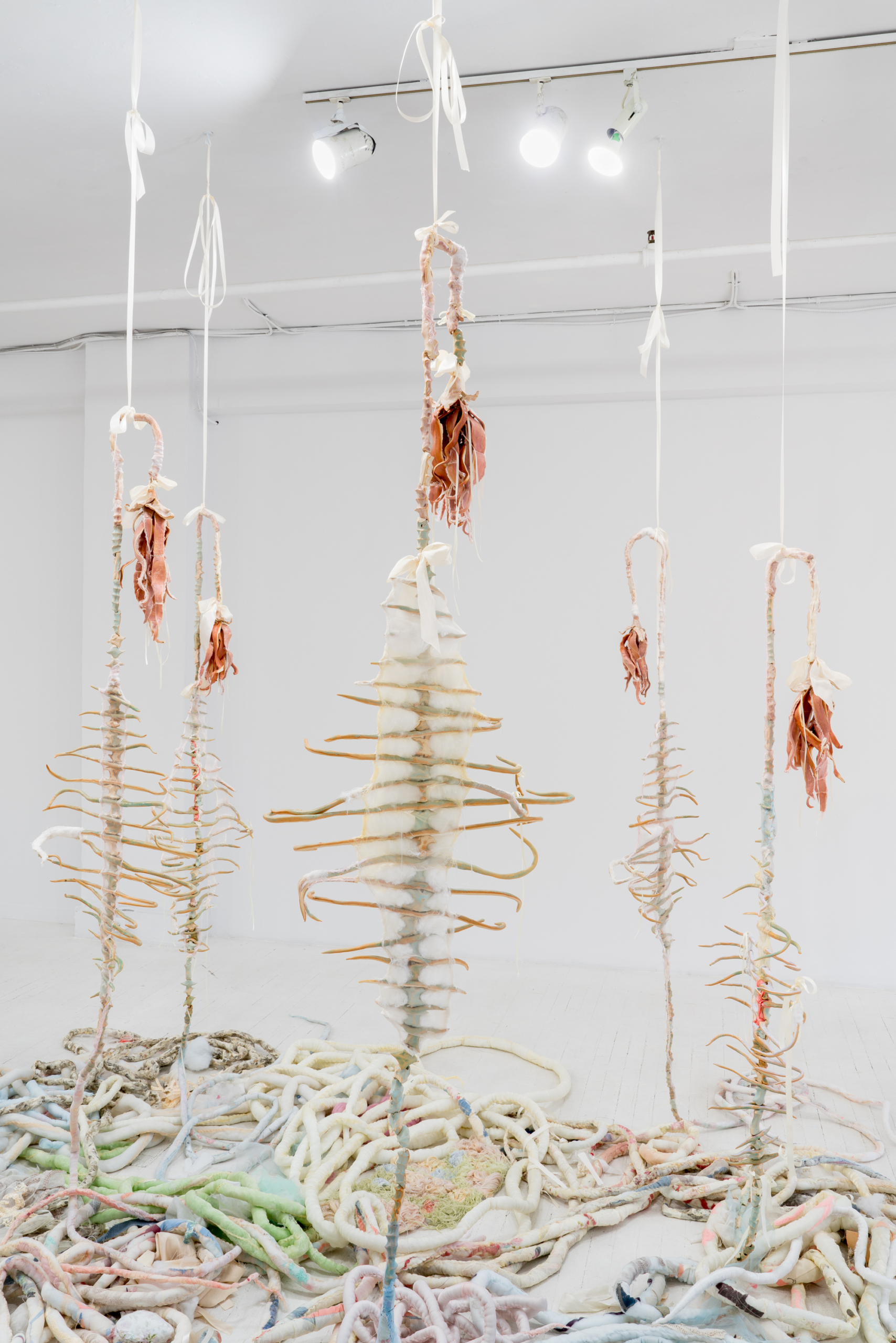
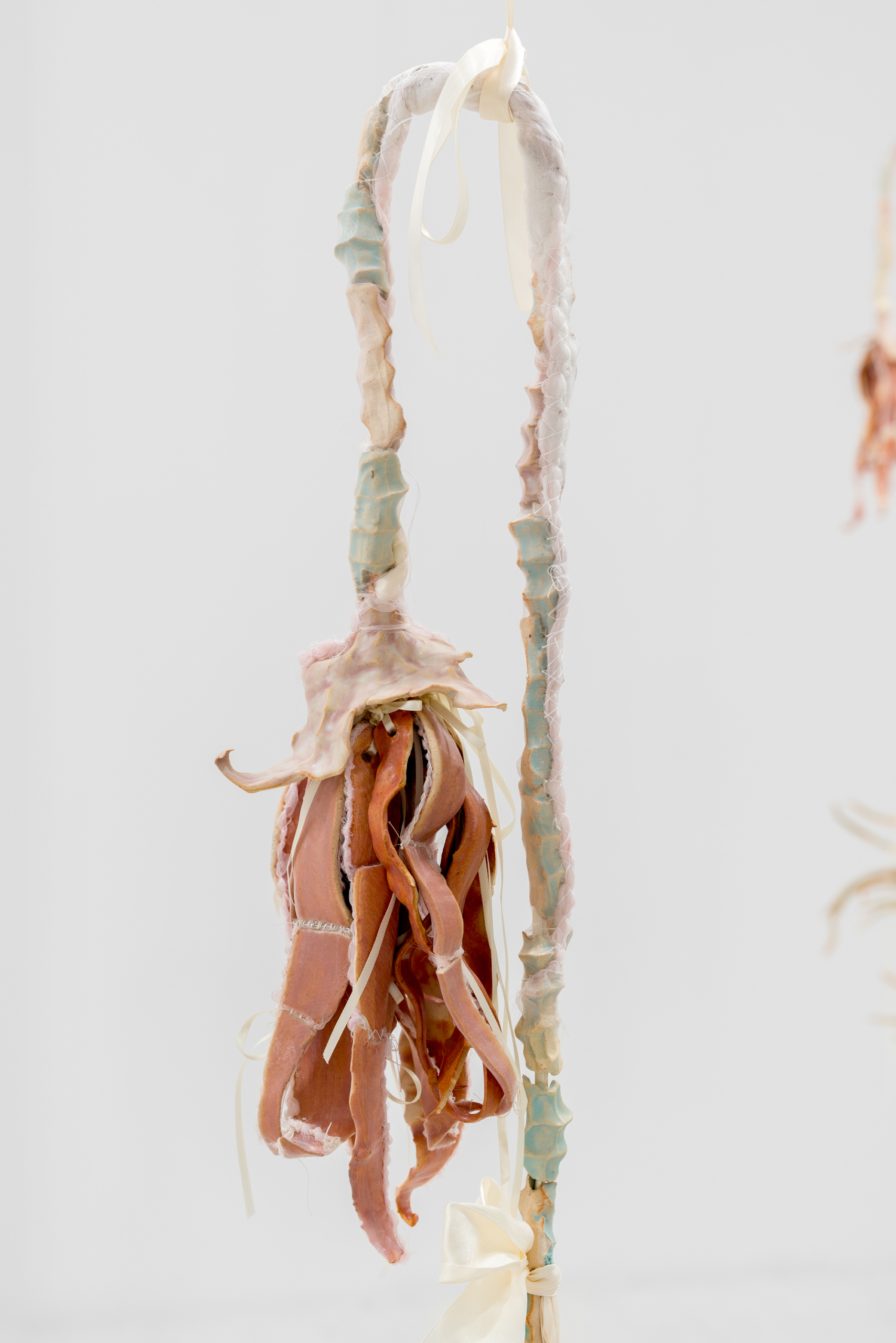
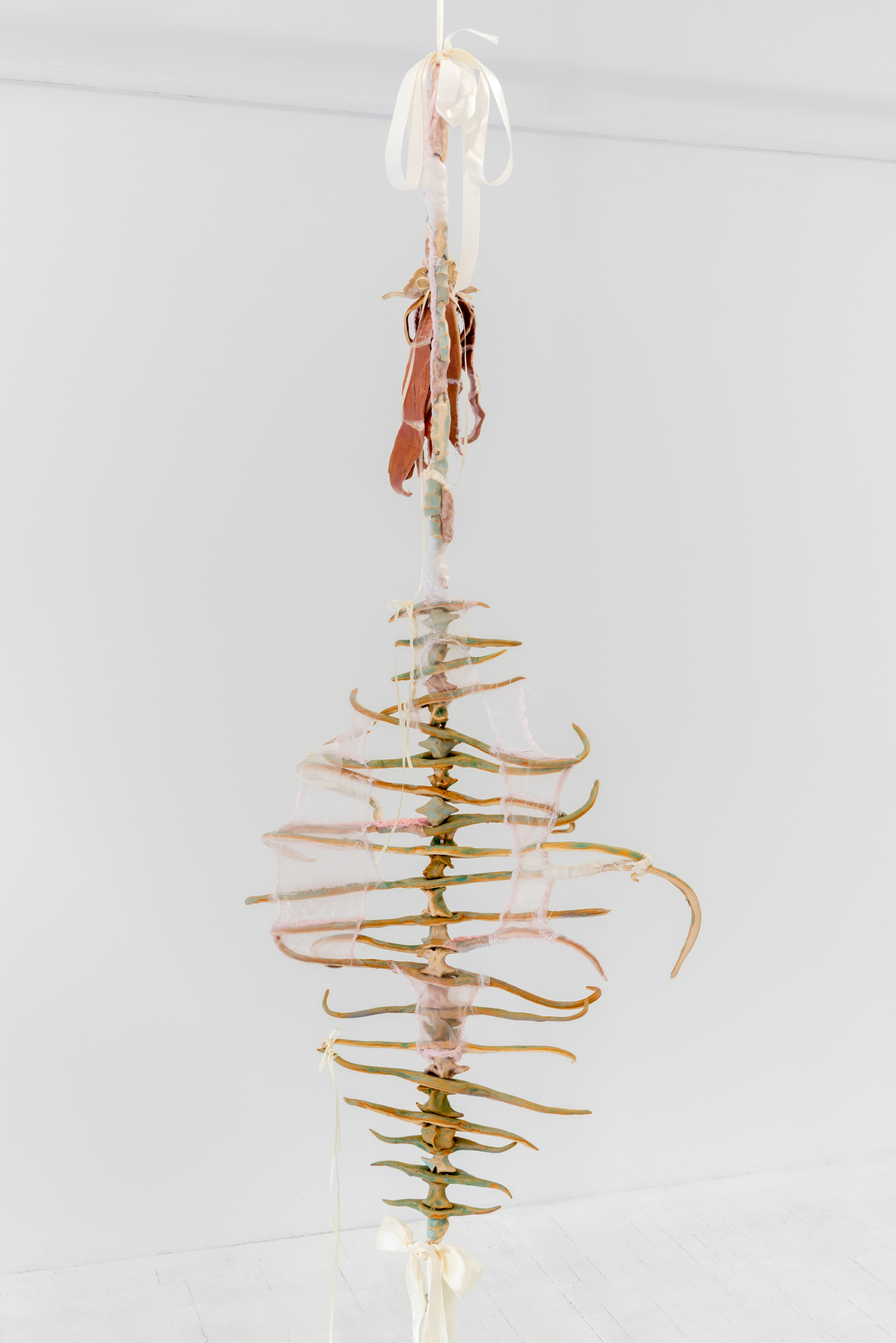
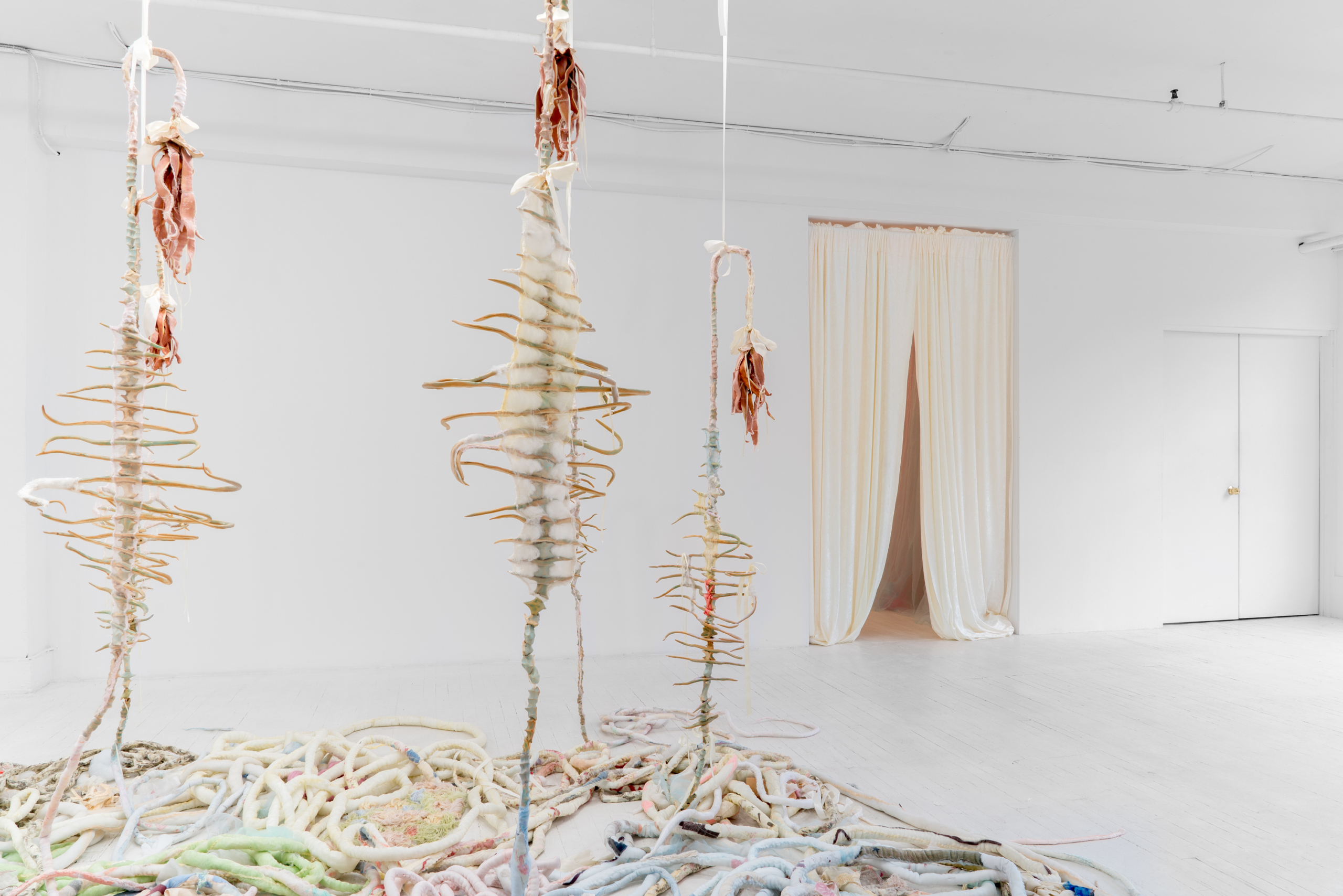
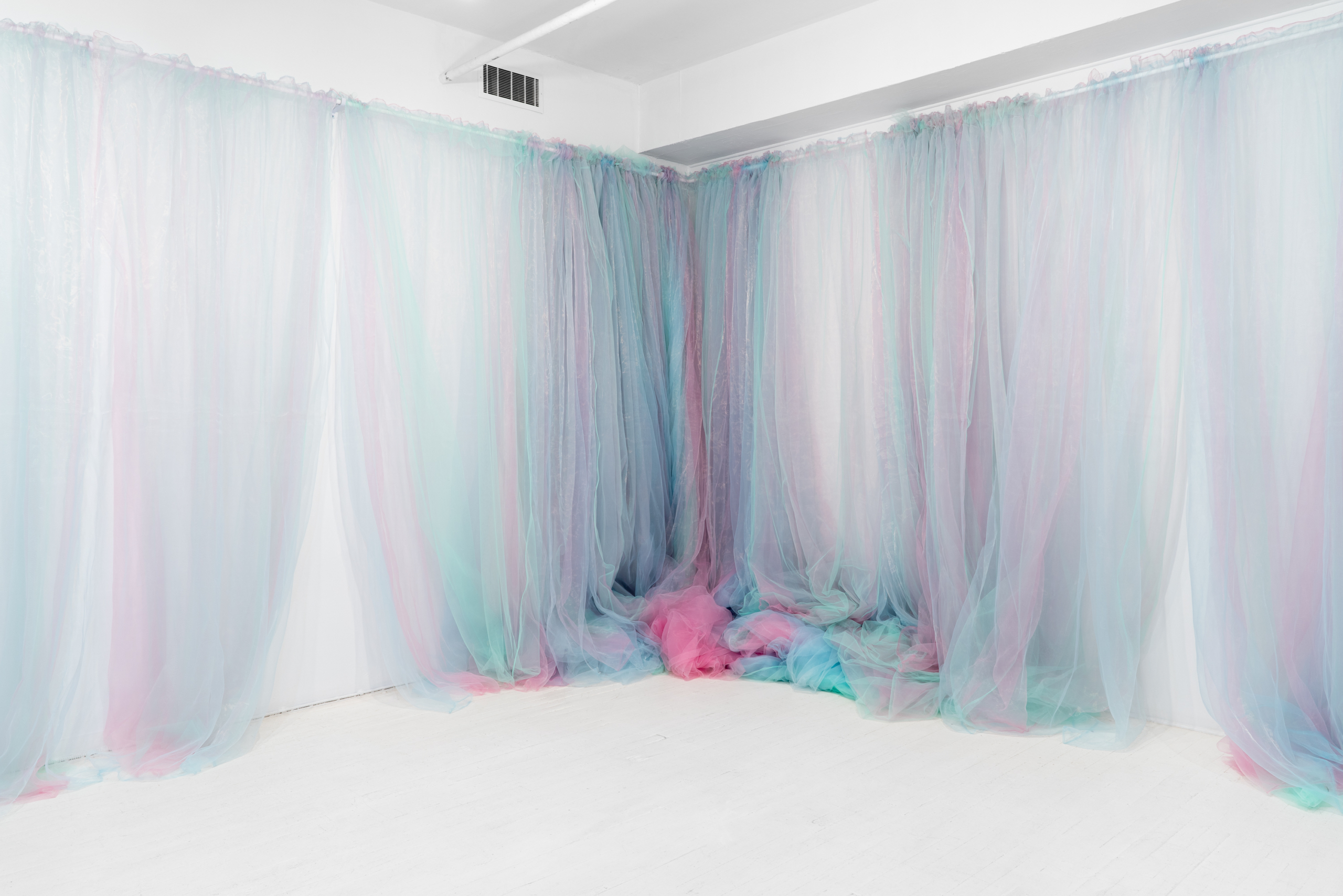
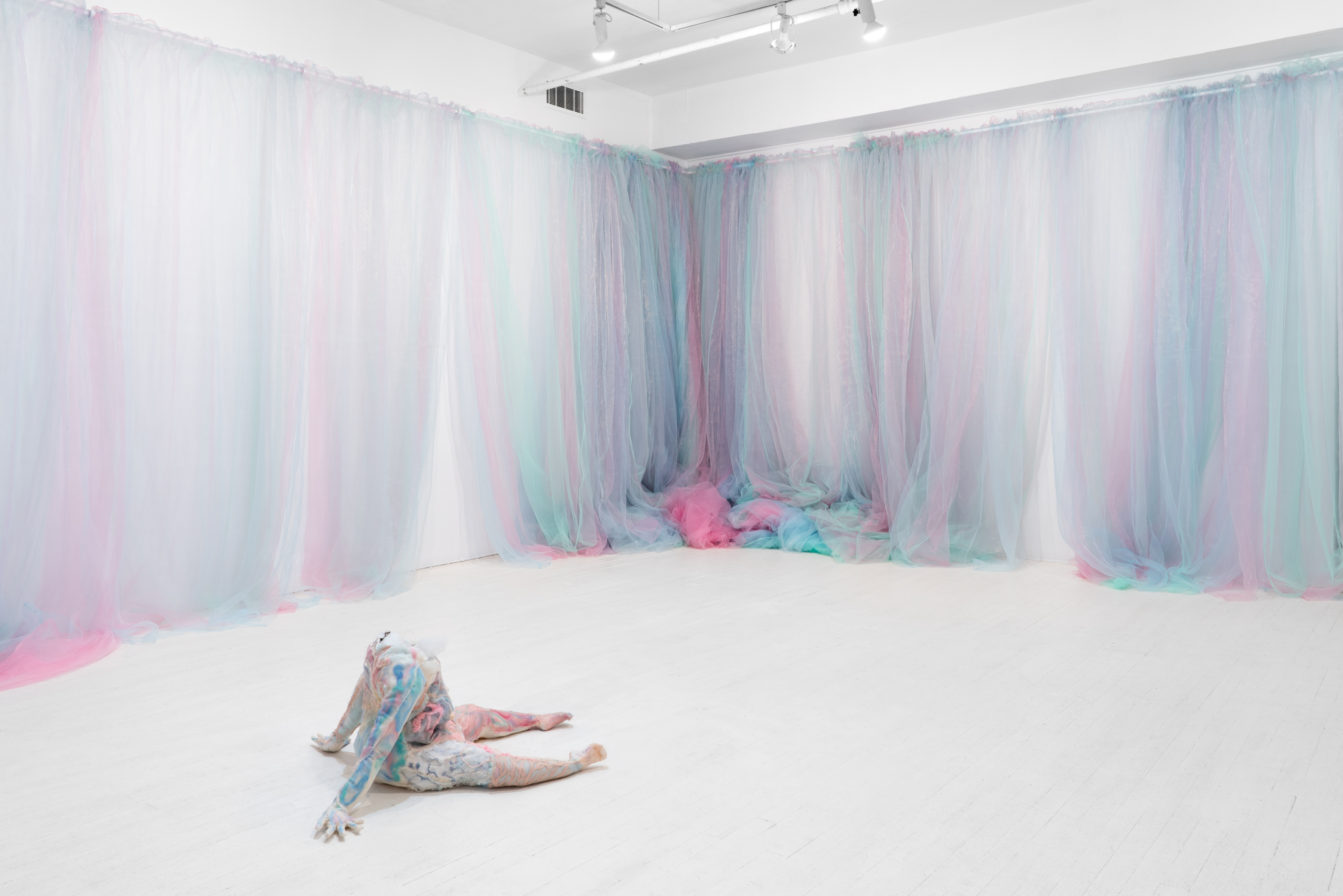
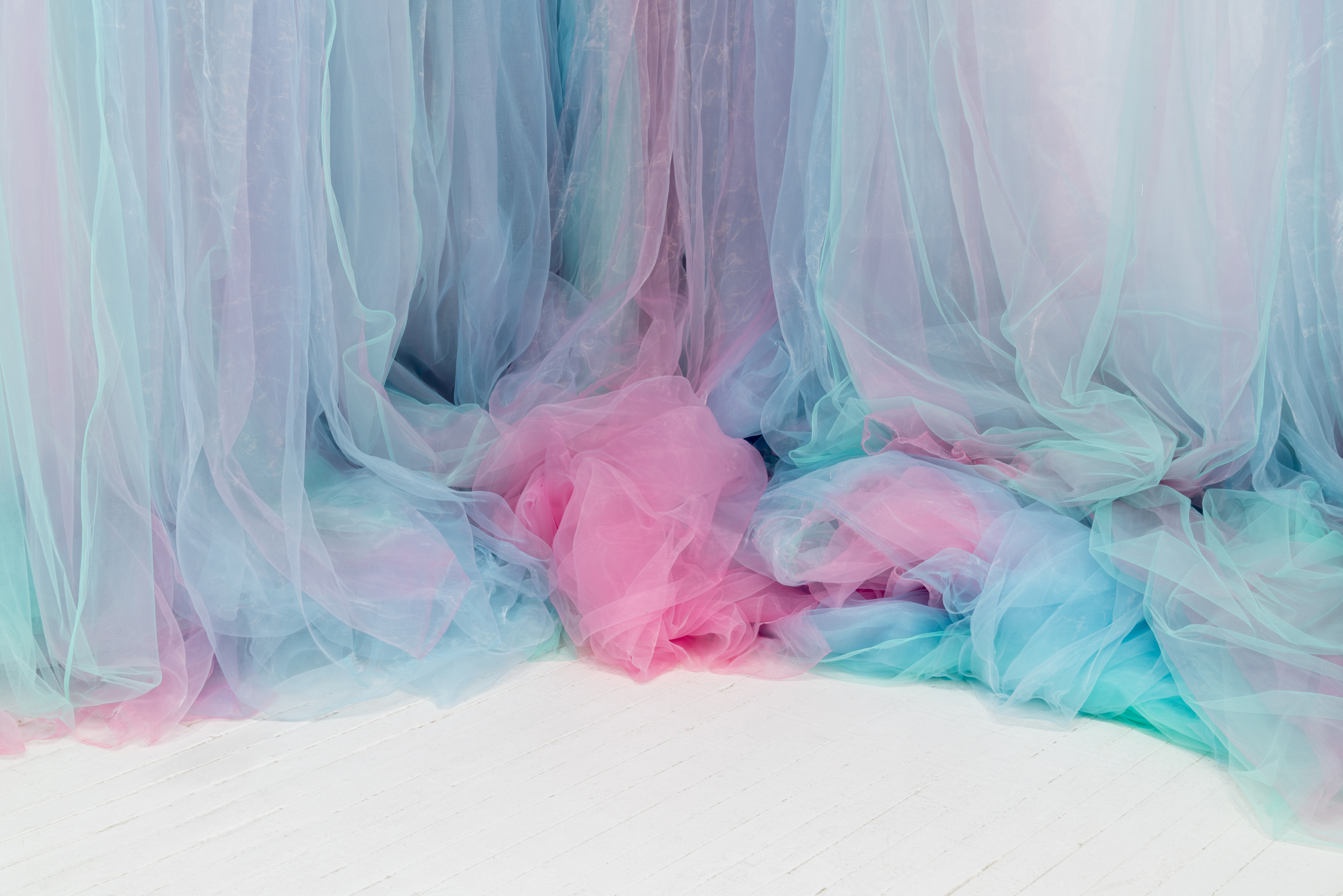
In the main room, a monumental sculpture echoes this myth. A mass of wilted flowers, their stems intertwined, forms a single organic body, suspended in palpable tension. The stems are attached to each other in a dense interlacing, reflecting the structure of the Rat king in the organic world. However, they are withered, altered, and exhausted. This bouquet, now a mass, does not celebrate flowering, but rather disenchantment. The work reveals a collective frozen by excessive connection.
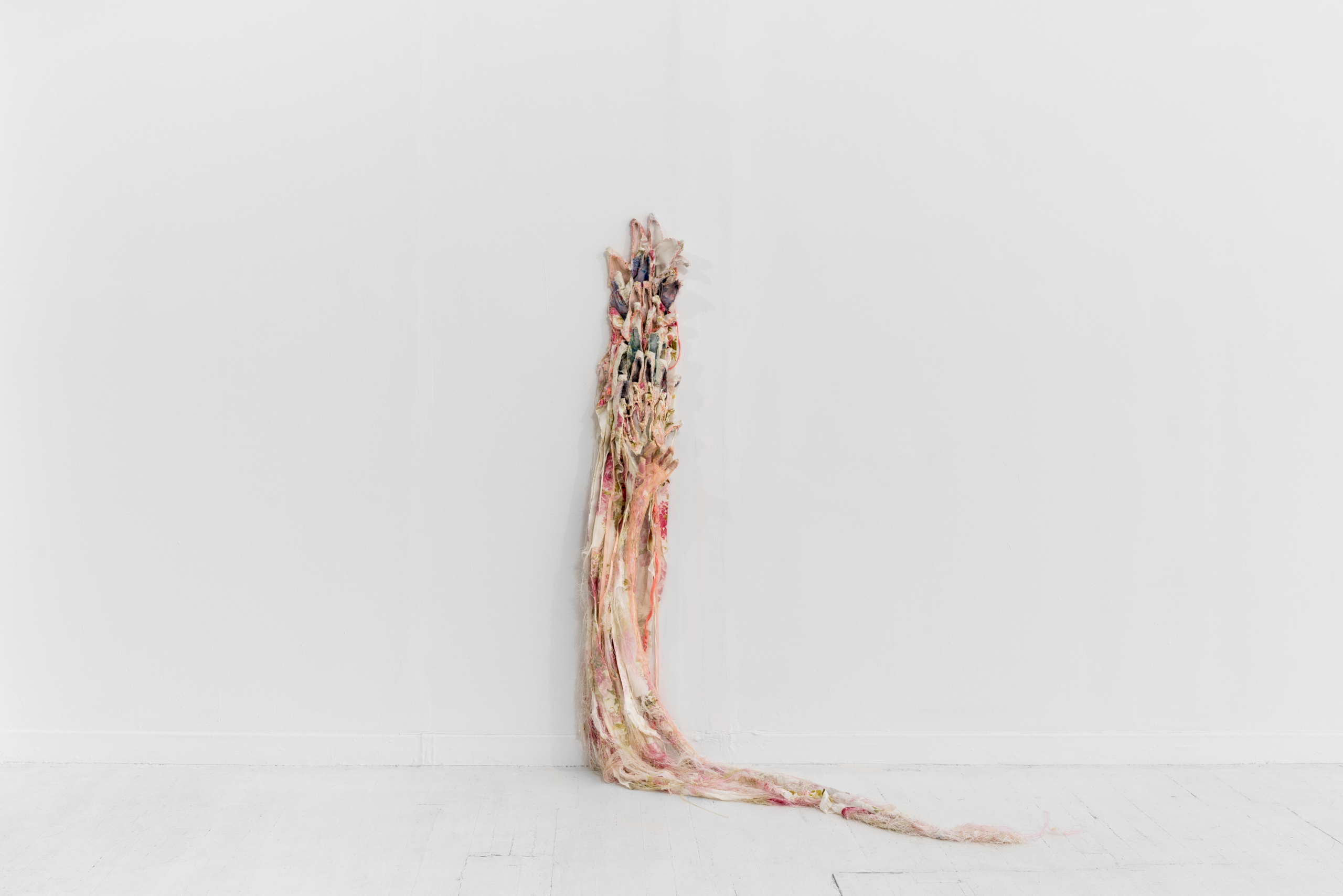
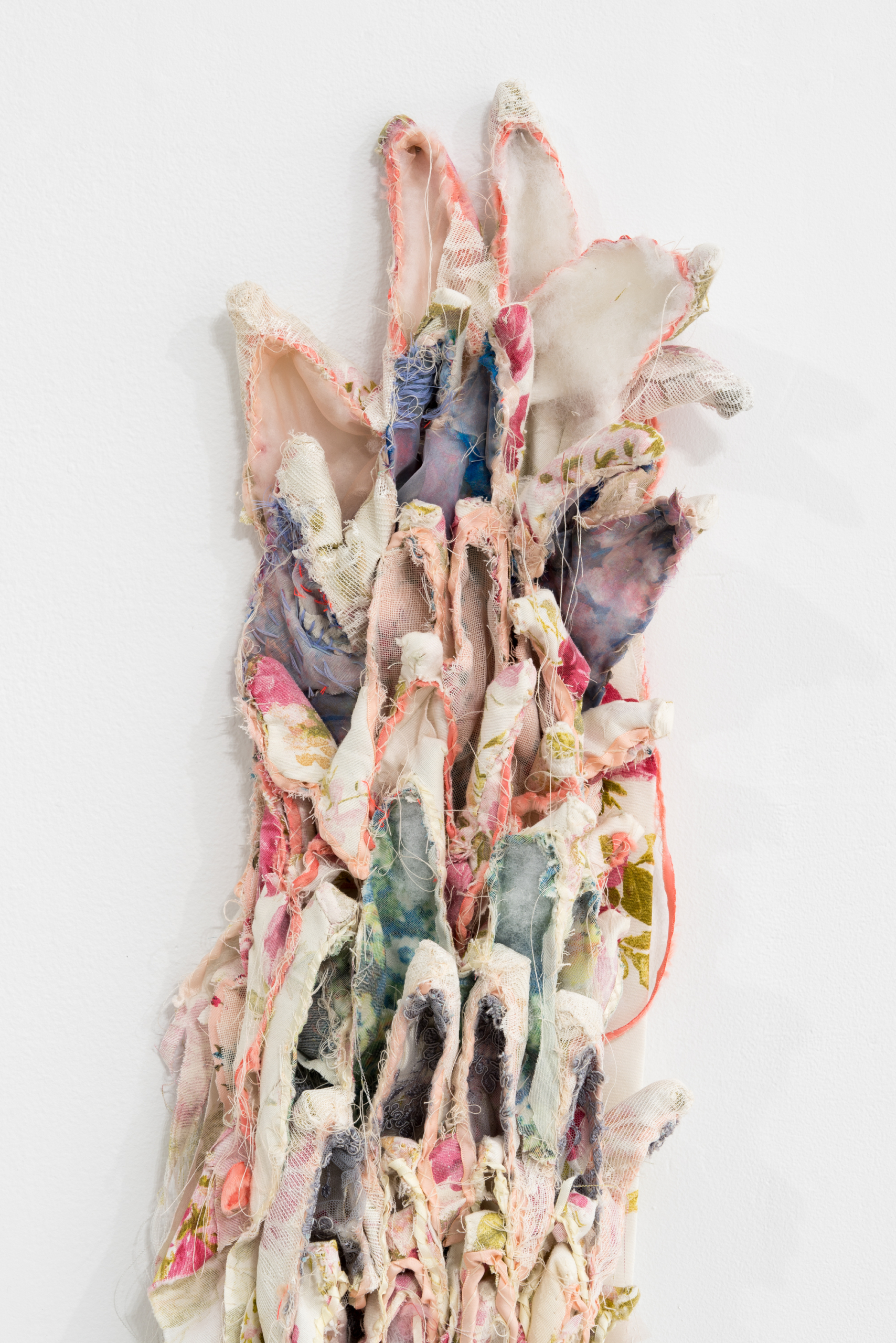
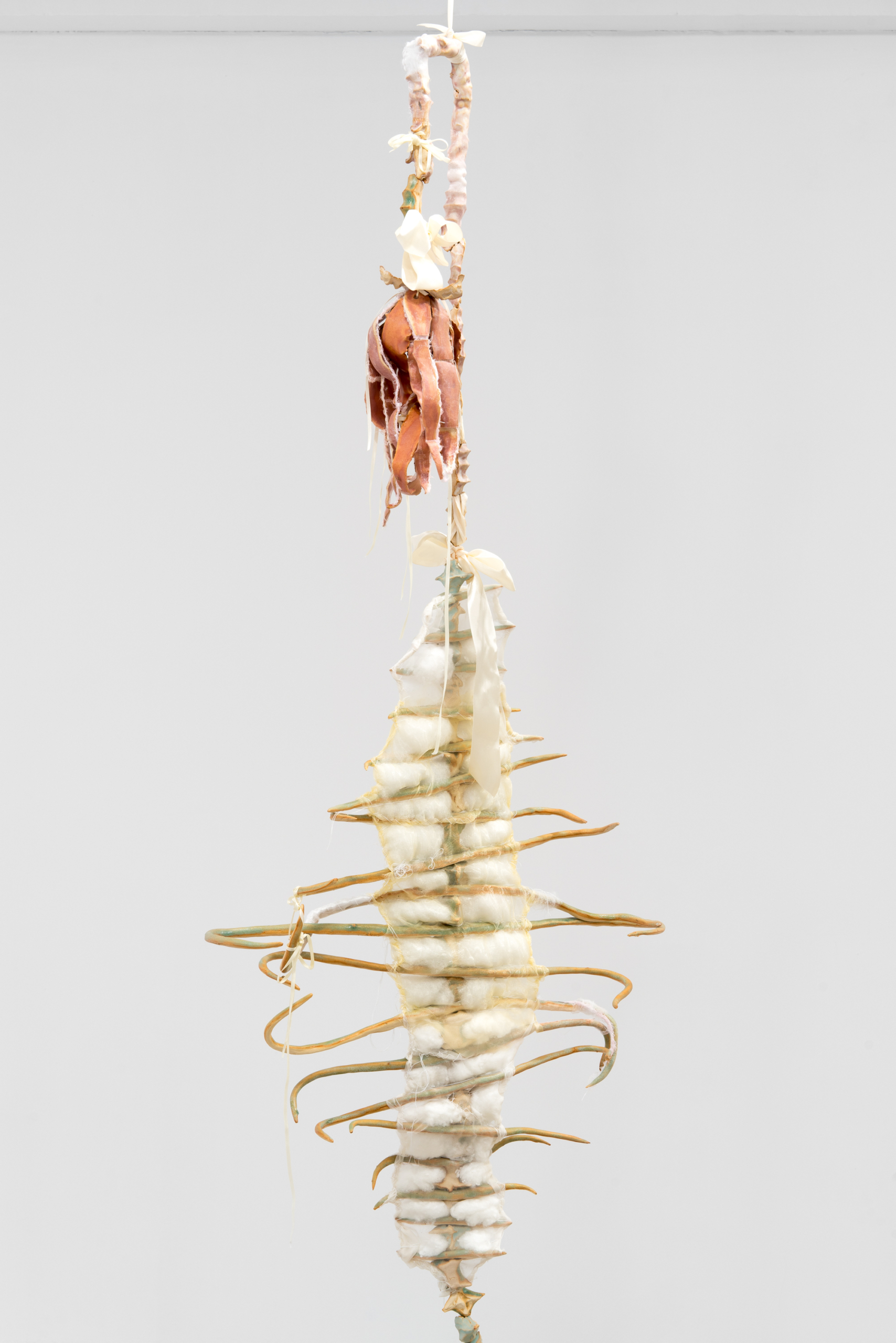
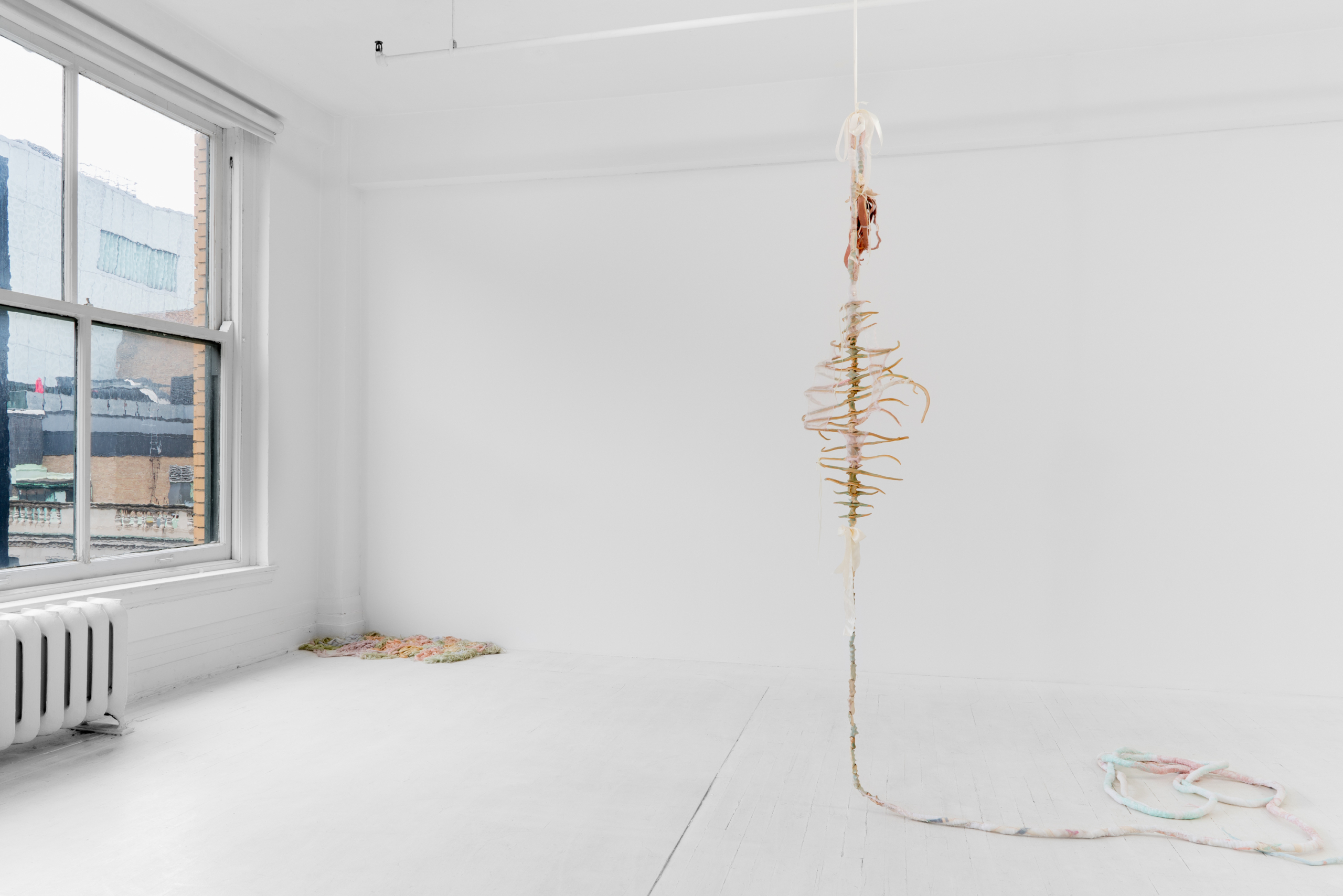
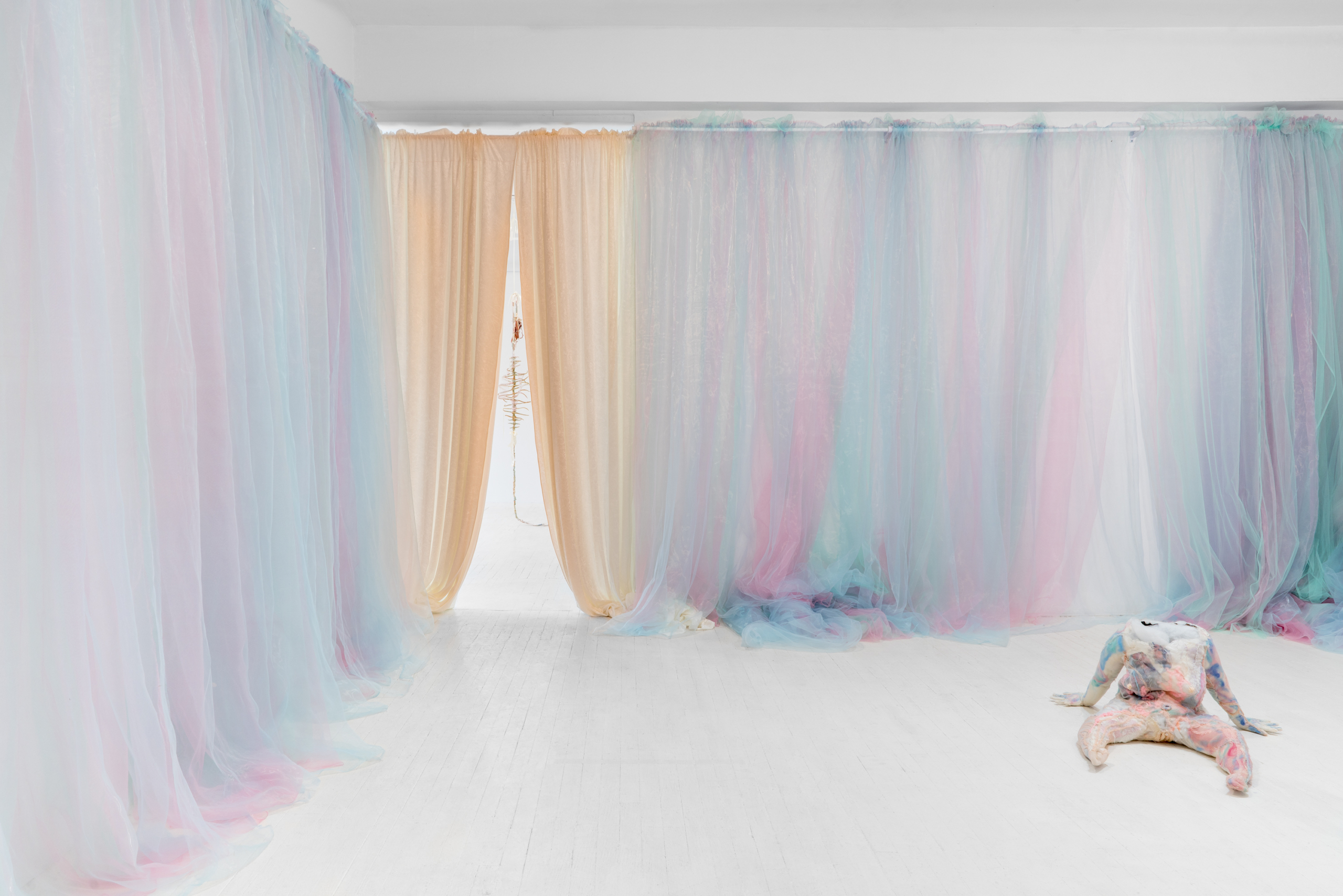
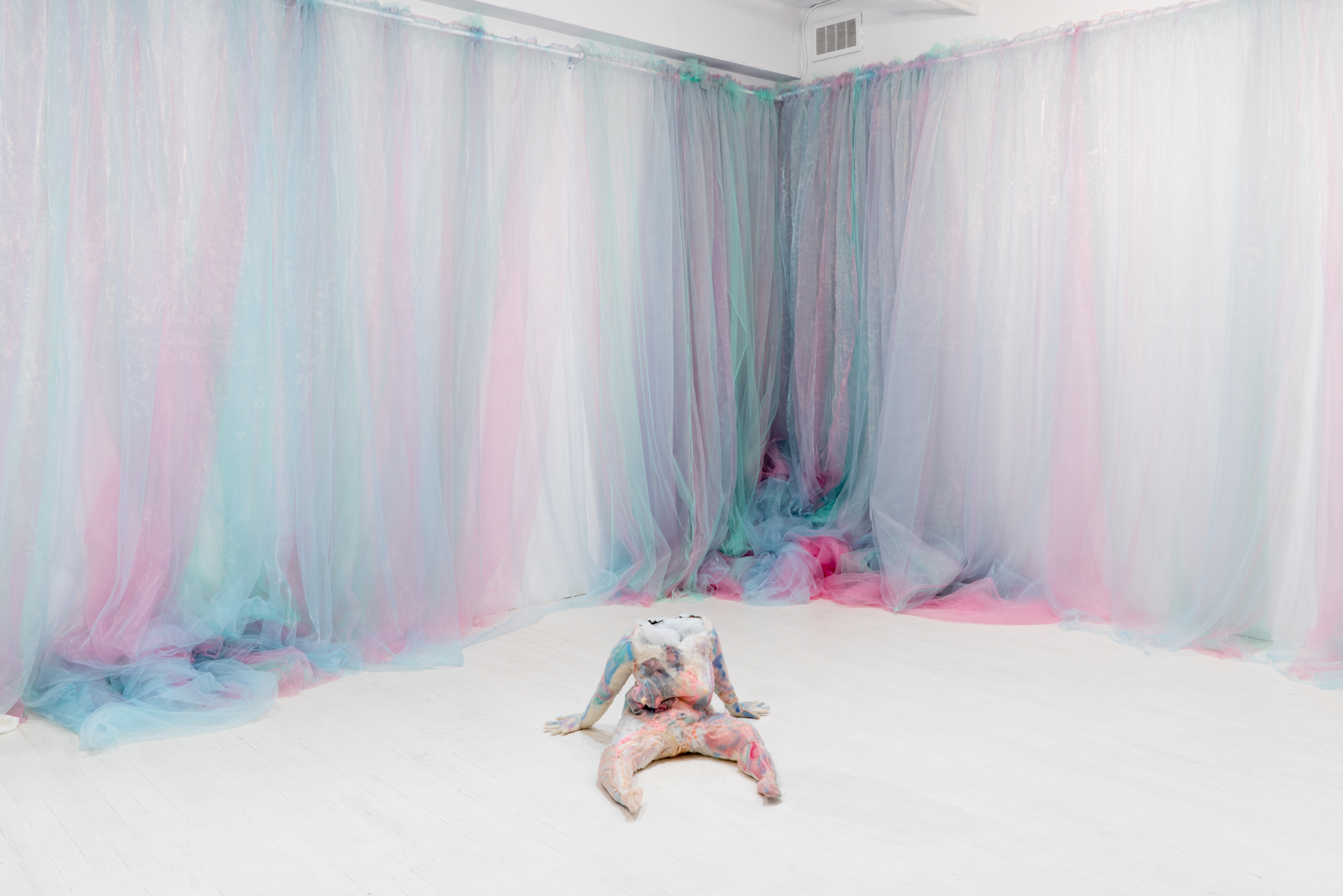
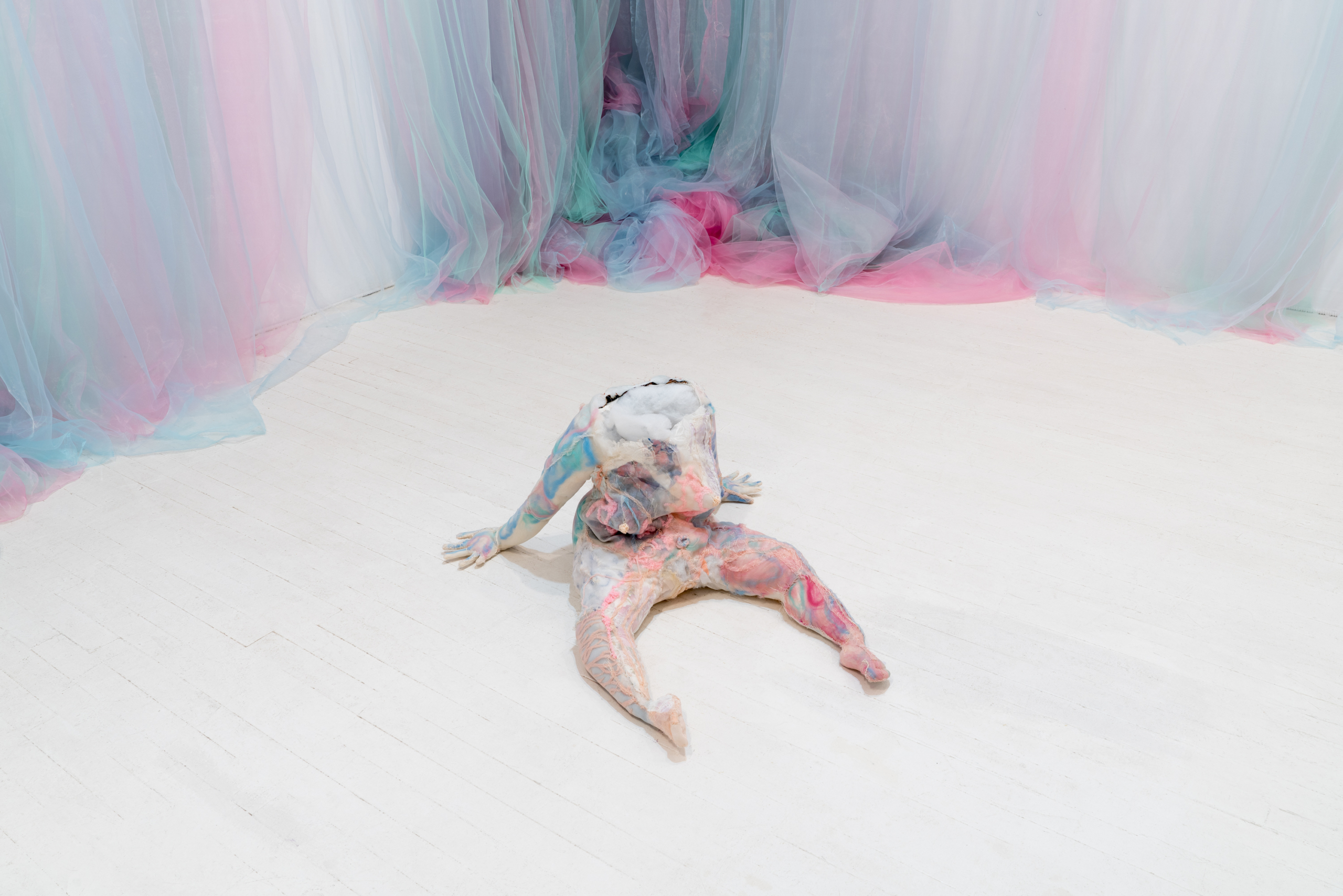
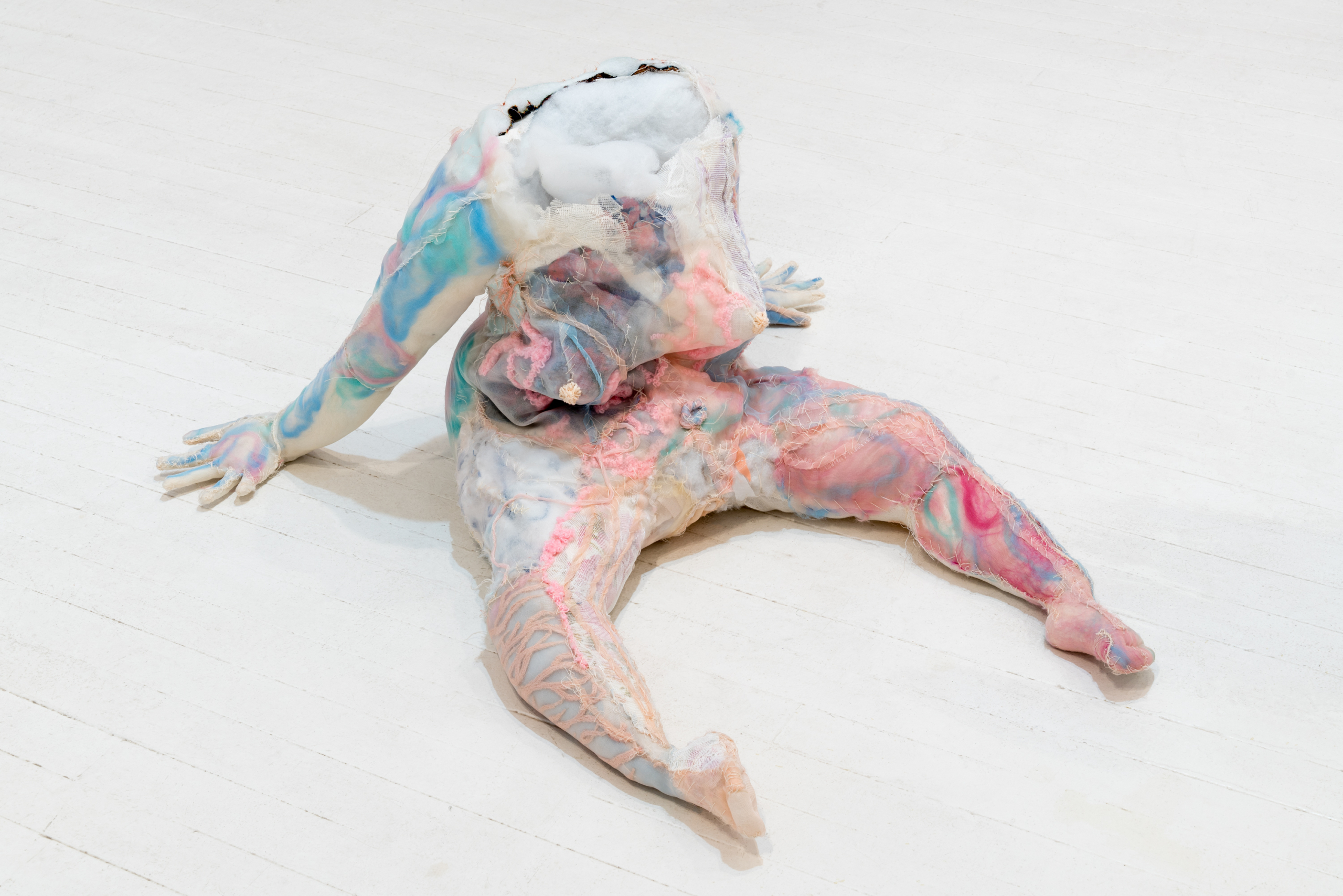
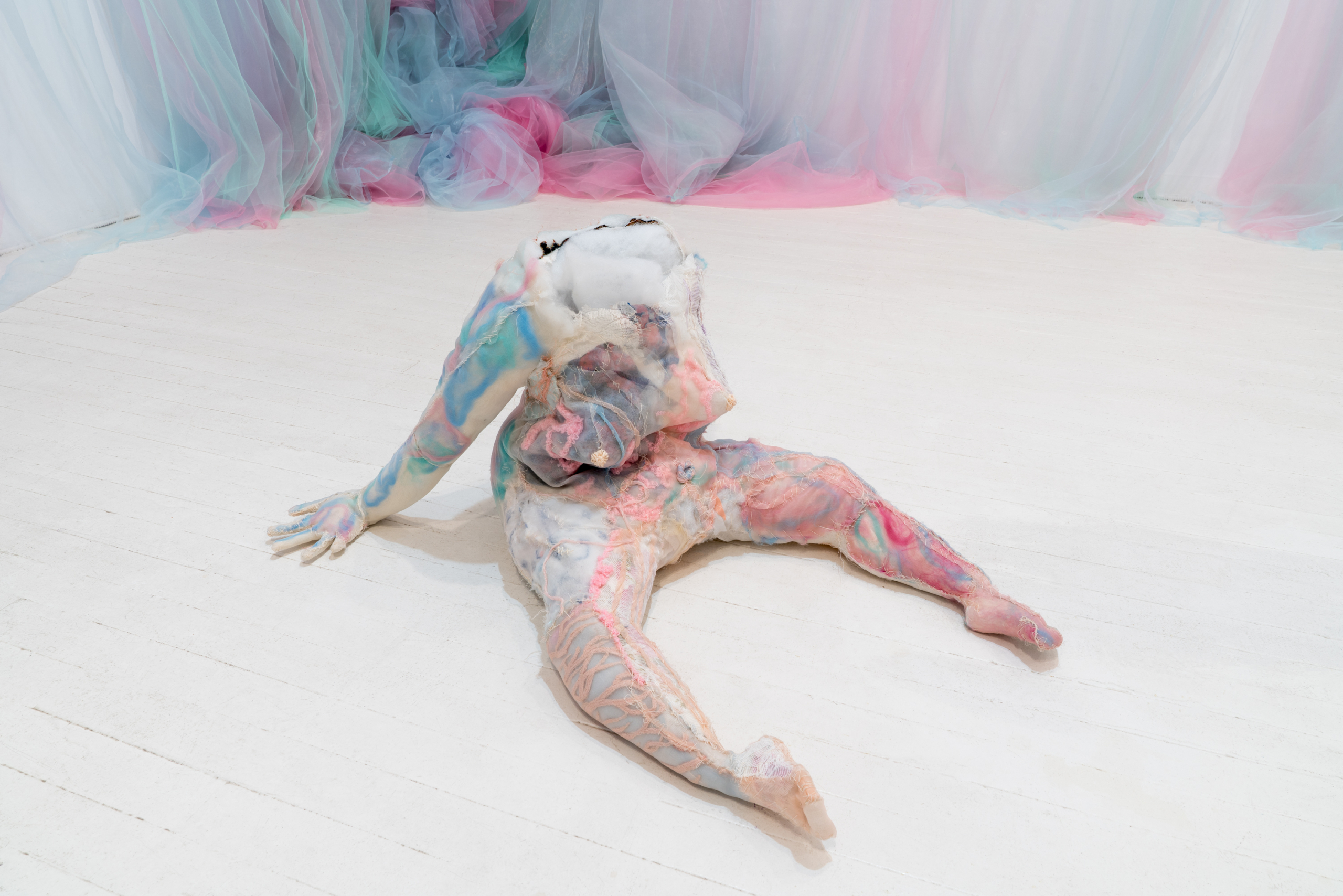
In contrast, in a smaller room, a second sculpture stands out in its frontality: the body of a small woman. It is open, exposed, and empty. Inside, there is only a hollow space. This female body, emptied of its interiority, becomes, in a disturbing and poignant way, an erased subject.
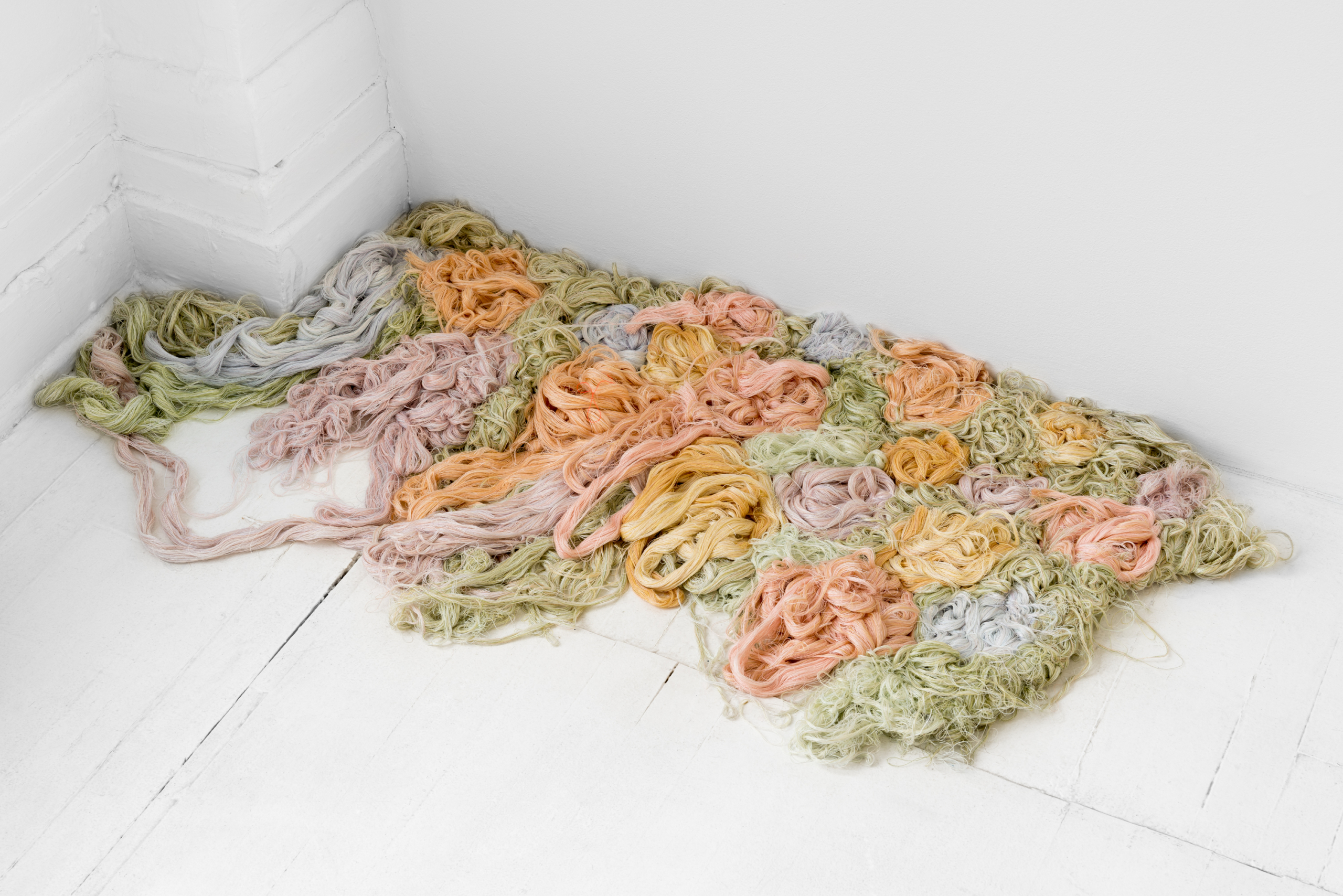
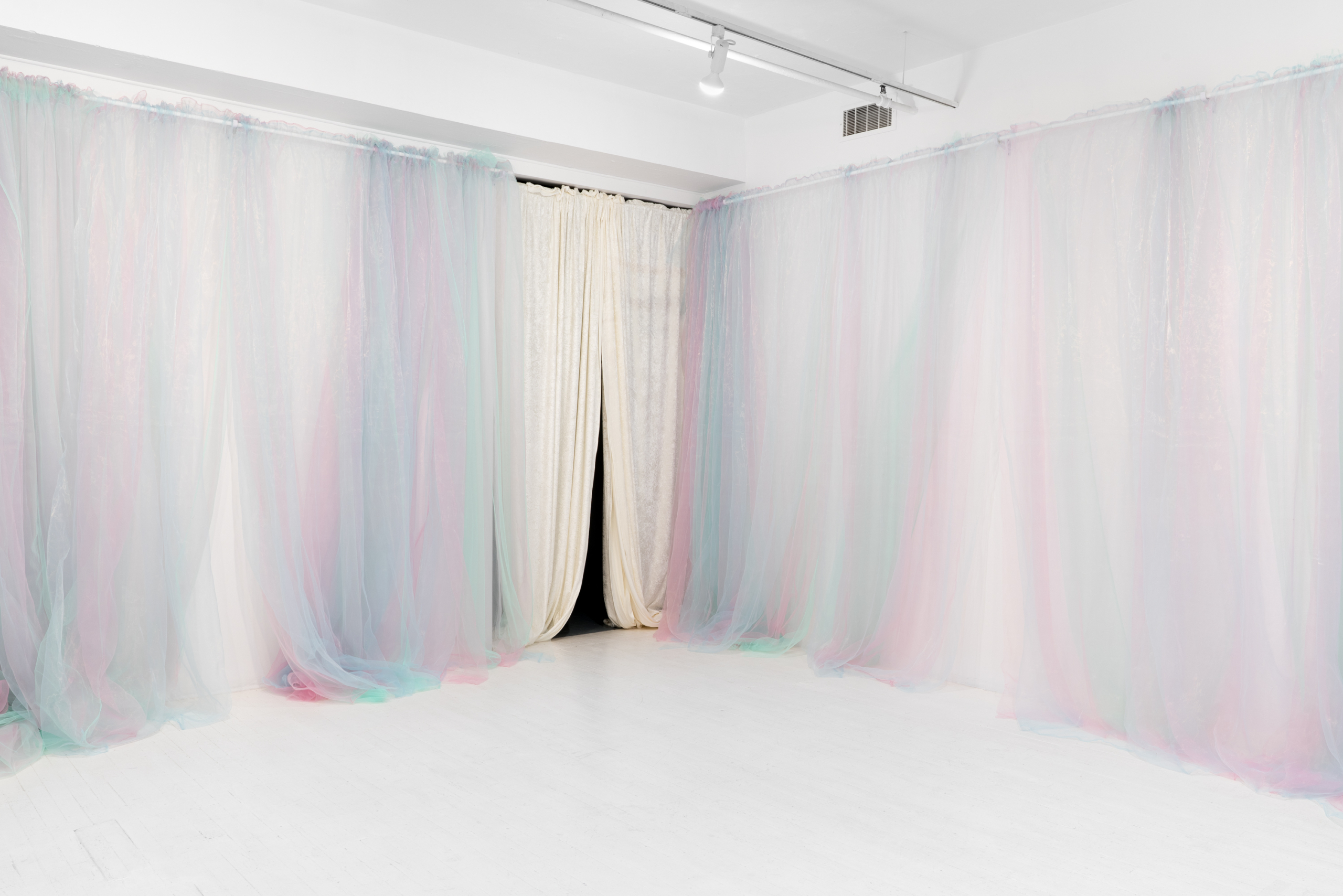
Through a sculptural language combining raw, fragile, and organic materials, Élisabeth Perrault explores the complexities of social life, the fatigue of existing in the gaze of others, and the inner solitude in a world saturated with connections. Her works and installations embody the tension between collective vitality, isolation, and self-enclosure. Élisabeth Perrault’s work thus offers an intimate and poetic reflection on the human condition, where rats mirror our own struggles, desires, and contradictions.
– Text by Maude Raymond
Artist biography
Élisabeth Perrault (born in 1996 in Joliette) lives and works in Montreal. She obtained her Bachelor of Fine Arts from Concordia University in 2020 and is currently pursuing her Master’s degree there. She has presented three solo exhibitions at Galerie Pangée: Ces petites morts domestiques (2021), Danser avec nos fantômes (2023), and Nature pointue (2025). In 2024, she presented Les mascarades at the Maison de la culture Maisonneuve and participated in a two-person exhibition at Carvalho Park (New York). That same year, she presented a joint exhibition with Marion Wagschal at Galerie Pangée. In 2025, she took part in The Armory Show with Carvalho Park gallery, which led to a feature in The Wall Street Journal. She also collaborated with Patrick Watson on the music video Better in the Shade (2022). Her work, studied by researcher Julia Skelly, was recently acquired by the Musée d’art contemporain de Baie-Saint-Paul.
Author biography
Maude Raymond holds a bachelor’s degree in sociology and a master’s in the sociology of art and culture. Her research focuses on the dynamics of legitimisation in the contemporary art world, artists’ working conditions, and the effects of digital platforms on artistic practices. Her master’s thesis analyses the use of Instagram by visual artists, highlighting the tensions between ideals of artistic autonomy and neoliberal logics of visibility, performance, and commodification of the self.
In parallel, Maude has contributed to research on the budgetary situation and the work organization practices of artist-run centres that are members of the Regroupement des centres d’artistes autogérés du Québec (RCAAQ). These studies examine in depth the working conditions and the organization of human resources in these centres and contribute to strategic thinking aimed at improving employment conditions in the network of artist-run centres.
Driven by an interest in contemporary social and cultural dynamics, Maude Raymond explores issues related to legitimacy, mediation and the organisation of work in the artistic field.